
Terrified Of Spiders? This Lavender Spray Keeps Them Away
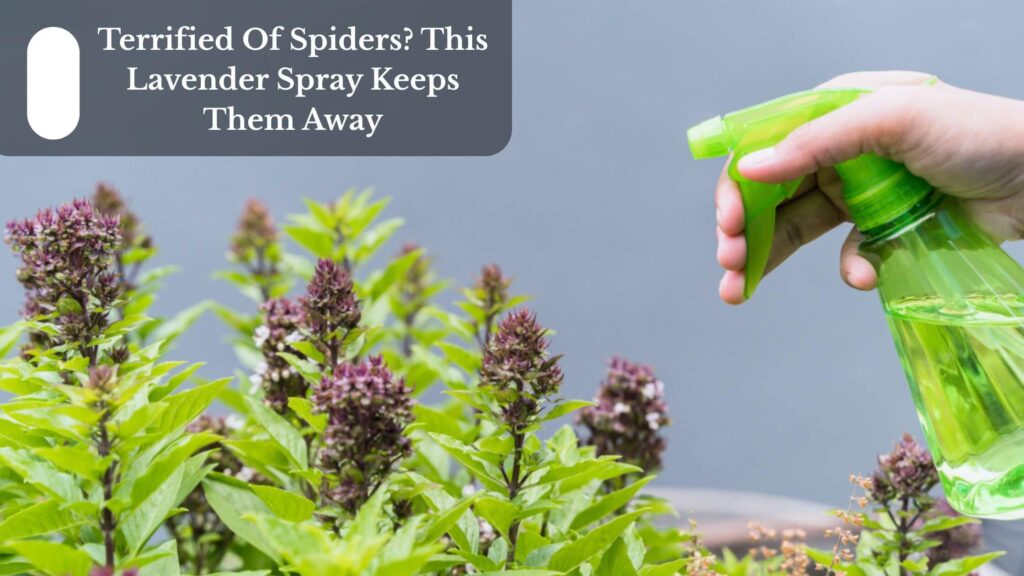
Why Do Spiders Hate The Smell Of Lavender? Due to the nature of the sensory system, spiders face a popular demand that they dislike the smell of lavender, as it resembles the scent of lavender. Spiders are also very dependent on the chemical clues in the world around them, and by means of minute sensory hairs on their legs, they sense vibrations and smells. Lavender is even rich in natural compounds such as Linalool and Linalyl acetate that smell good to human beings but are too heavy or surface-irritating to most insects and arachnids. You may also like: These chemicals may interfere with a spider so that it cannot sense its prey, move around, or even feel safe in a place. Due to this, the spiders might shun areas containing lavender, not due to the fact that it is harmful to the spiders, but because it does not provide a comfortable sensory experience. Furthermore, lavender is connected with the scarring of insects that are the food of spiders, which decreases the level of food and makes the place less appealing. Is Lavender Oil Safe To Use Indoors? Generally, lavender oil is safe to be used in any domestic environment provided that the ingredients are used in the correct manner, yet certain precautions do count. Its small quantities can produce a calming smell and can be used to assist in relaxation or sleeping; however, excess can result in headaches, nausea, or throat irritation, among other things. Ventilation is also significant, and a diffuser ought to be used not on a continuous basis but on a limited basis. The undiluted lavender oil will irritate sensitive skin, and as such, direct application on the skin must be avoided until the oil is diluted in a carrier oil. Essential Oils are more sensitive to pets and cats, and birds are most susceptible to them; thus, limiting exposure is advisable but should be monitored. How Lavender Oil Works As A Natural Spider Repellent? Lavender oil is a natural repellent of spiders, which mostly happens because of its extremely pleasant smell and chemical structure that spiders dislike. Spiders do not see, but sense and take pride in the vibration and smell of certain volatile compounds in lavender oil. Linalool and linalyl acetate are some of the volatile compounds found in lavender that disrupt their senses and life cycle. These chemicals overload the sensory organs of the spider, rendering them intolerable instead of causing any direct damage to the spider. Consequently, spiders will tend to find other places where the smell does not exist and prefer to get into cooler places instead. Since lavender oil repels instead of killing, this property makes it a greener substance than the use of chemical pesticides. Although the spiders would not be scared away by lavender oil, the stable presence of the fragrance would prevent them from nesting in cracks, corners, or even entrance points. Such a combination of sensory interference, injury covering the scent, and non-toxicity deterring provides the explanation of why lavender oil is commonly considered to be a good natural spider deterrent. 5 Benefits Of Using Lavender Oil Spray To Prevent Spiders At Home 1. Natural And Non-Toxic Solution Lavender oil spray provides people with a natural option to chemical repellents against spiders, which is therefore safer to use around children and pets, in case of good dilution. It does not use brutal pesticides and noxious fumes, which lower indoor air pollution. This renders it suitable for a domestic person who wants a pest control strategy that is health-conscious and environmentally friendly. 2. Effectively Repels Spiders Without Killing Them Instead of killing spiders, lavender oil spray prevents their entry and settlement in areas sprayed with the oil. Its intense smell disturbs the sense systems of the spiders, making them feel out of place in the environment. This is a human way of going about things, considering that it still helps the natural ecosystems and at the same time, maintains the homes spider-free and more habitable to those residing in them. 3. Pleasant And Calming Fragrance Lavender oil spray has a fresh, calming aroma compared to many of the commercial repellents, which have a strong chemical odor. The smell can also make one relax and lessen stress, and at the same time scare away spiders. The benefit of this is that it is a great choice in bedrooms, living rooms, and other rooms used quite often indoors, given the two advantages. 4. Easy To Use And Versatile Lavender oil spray is easy to prepare and use; one simply needs to use a spray bottle with diluted oil and water in it. One can apply it on windowsills, door frames, corners, and cracks that spiders tend to enter. It is diverse and can be applied by ordinary individuals without complicated settings or trainer assistance. 5. Helps Reduce Other Insects Naturally Not only does lavender oil scare spiders, but it also scares other insects that spiders like flies and moths prey on. The spray indirectly decreases the attraction of spiders to your house because it reduces the number of insects attracted directly to your house. This produces a more balanced and sustainable method of prevention of natural pests. DIY Lavender Oil Spray Recipe (Step-By-Step) Ingredients: Steps: How To Use: You may also like: Moksha is an established Wholesaler, manufacturer, and exporter of essential oils and other Essential oil products in India. Depending on the intended usage, it offers the most genuine essential oils of only the highest quality. They contain no chemicals, additives, or fillers. Furthermore, this does not include synthetic colors, synthetic preservatives, or synthetic fragrances. In other words, that makes them excellent for everyday use. Practically speaking, while the essential oil is 100% natural, it is prudent to use a carrier oil before applying it to the skin because of the high concentration level. We carry out several tests and quality checks to make sure only the best and the real essential oil is delivered to you. The
Top 11 Essential Oils To Manage PCOS Naturally
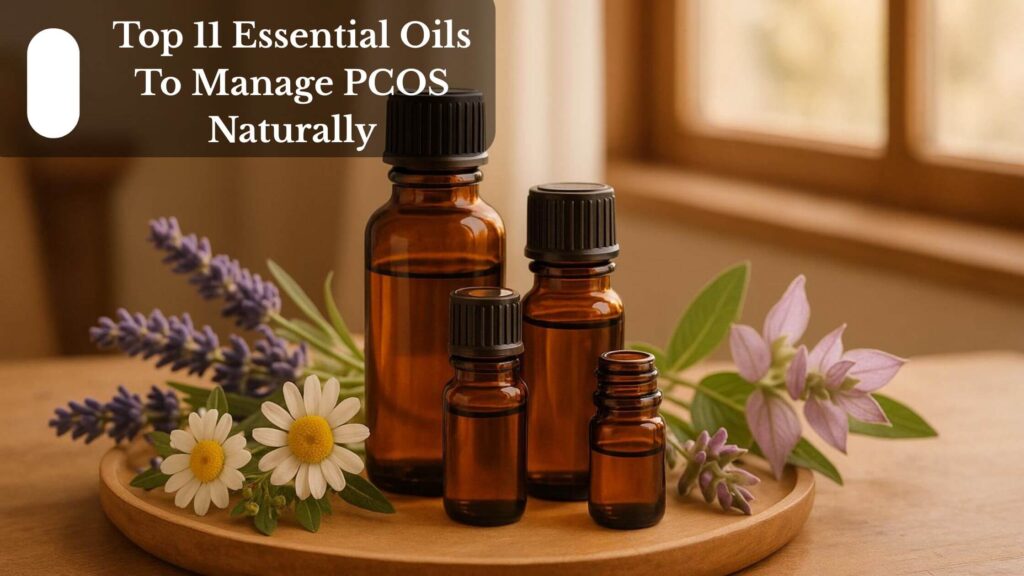
What Is PCOS? Polycystic ovary syndrome (PCOS) is a simple hormonal ailment that affects those whose ovaries are usually at their reproductive ages. It is characterized by an imbalance in reproductive hormones, which can disrupt the normal ovulation process and lead to abnormal menstrual cycles or missed periods. High levels of androgens, commonly referred to as male hormones, are prevalent in many individuals with PCOS and risk the development of acne, excessive body and hair growth, as well as hair loss on the scalp. Small fluid-filled sacs known as follicles can develop in the ovaries, and they do not release eggs regularly. Insulin resistance is a cause of PCOS, which predisposes patients to weight gain, type 2 diabetes, and cardiovascular disease. The second issue is that the cause of PCOS is uncertain, though genetics and the environment seem to contribute to the problem. How Essential Oils Work For PCOS? Essential oils are occasionally employed as a support strategy to aid in dealing with symptoms related to PCOS, and they are primarily utilized in aiding relaxation, hormone balance, and overall well-being. They act either by aromatherapy or topical application, in which plant products enter the skin or are inhaled, affecting the nervous system and endocrine system. You may also like: Oils like lavender and clary sage are widely used to alleviate stress, and it is critical since chronic stress can aggravate hormonal imbalance and insulin resistance that are associated with PCOS. The cooling and antimicrobial effects of peppermint and tea tree oil can be useful, as they can be used to treat symptoms such as fatigue or acne. Top 11 Essential Oils For PCOS 1. Clary Sage Essential Oil Clary sage essential oil is also very popular in promoting hormonal balance and is used by people with PCOS. It can be used to control menstrual periods and alleviate cramps because it can assist in relaxation and lower the stress-related cortisol within the body. It can be emotionally stabilizing and lead to a general reproductive state when applied to the skin in a dilution during aromatherapy or in a massage. 2. Lavender Essential Oil The essential oil of lavender is recognized to have calming and stress-relieving effects, which particularly come in handy in the process of controlling PCOS. Hormonal imbalance may be aggravated by a high level of stress, and lavender could be used to decrease the level of anxiety, enhance the quality of sleep, and promote emotional wellness. 3. Peppermint Essential Oil Peppermint essential oil can be used to alleviate feelings of fatigue and mental fog, which are usually common among individuals with PCOS. It may also be taken to assist in the management of excessive hair growth because it may have anti-androgen activity. The essential oil of peppermint may be stimulating when inhaled, and may also be effective when applied topically to headaches and pains. 4. Tea Tree Essential Oil Tea tree essential oil is prized due to its great anti-inflammatory as well as anti-bacterial effects. It can be used with PCOS-associated acne to minimize the number of breakouts and skin irritation in people when it is diluted and applied accordingly. 5. Geranium Essential Oil Geranium essential oil can be used frequently with a promoting effect on hormonal levels and emotional stability. It can aid in the normalization of estrogen and menstrual care. It can also be used in the management of physical and emotional symptoms by making it beneficial, as its uplifting aroma can decrease anxiety and mood swings related to PCOS. 6. Cinnamon Essential Oil Cinnamon essential oil is also utilized as a means to help maintain the blood sugar levels in the body, and this is essential to individuals with PCOS, as they tend to have insulin resistance. Its warming effects can be useful in enhancing circulation and metabolism. 7. Fennel Essential Oil Fennel essential oil has a cultural implication regarding menstrual and reproductive health. It could assist in reducing the pain during menstruation, bloating, and PCOS discomfort. Fennel oil also has a reputation for promoting estrogen balance and digestive wellbeing, which can be helpful because hormonal imbalance usually influences digestive wellbeing. 8. Frankincense Essential Oil Frankincense essential oil is respected because of its ability to assist hormonal well-being and reduce swelling. It can be used to treat the endocrine system and produce feelings of emotional tranquility. Its base aroma is commonly applied in meditation or relaxation sessions to cope with the stress that is a major contributor to the severity of the PCOS symptoms. 9. Rose Essential Oil Rose is an essential oil that is known to calm the mood, and not to mention its soothing effects. It can be used to regulate reproductive hormones and diminish signs of anxiety, depression, and menstrual pain. Rose essential oil can also be linked to better circulation and emotional health; thus, it can be used in the treatment of physical and emotional PCOS symptoms. 10. Ylang Ylang Essential Oil Ylang ylang essential oil can be used in regulating the hormone of stress and decreasing emotional instability. It is normally employed to alleviate anxiety, enhance mood, and induce relaxation. Ylang Ylang essential oil can assist in regulating hormone levels and the menstrual cycle in suspected individuals with PCOS by aiding the body in controlling stress levels. 11. Chamomile Essential Oil The Chamomile essential oil is well associated with the calming and anti-inflammatory effects. It can be used to relieve the cramps of menstruation, sleep better, and lessen the anxiety about PCOS. Chamomile oil may serve as a soothing supplement to the general symptomatic alleviation because it helps with relaxation and physical pain relief. How To Use Essential Oils Safely For PCOS? The application of essential oils in PCOS is supposed to be aimed at supportive care rather than the substitution of medicinal management. It is important to always combine essential oils with a carrier oil, e.g., coconut or jojoba, before applying to the skin, and also this should be checked with a patch test to minimise the chances of