
Fennel Seed Oil For Skin: What It Does & Why It Works?
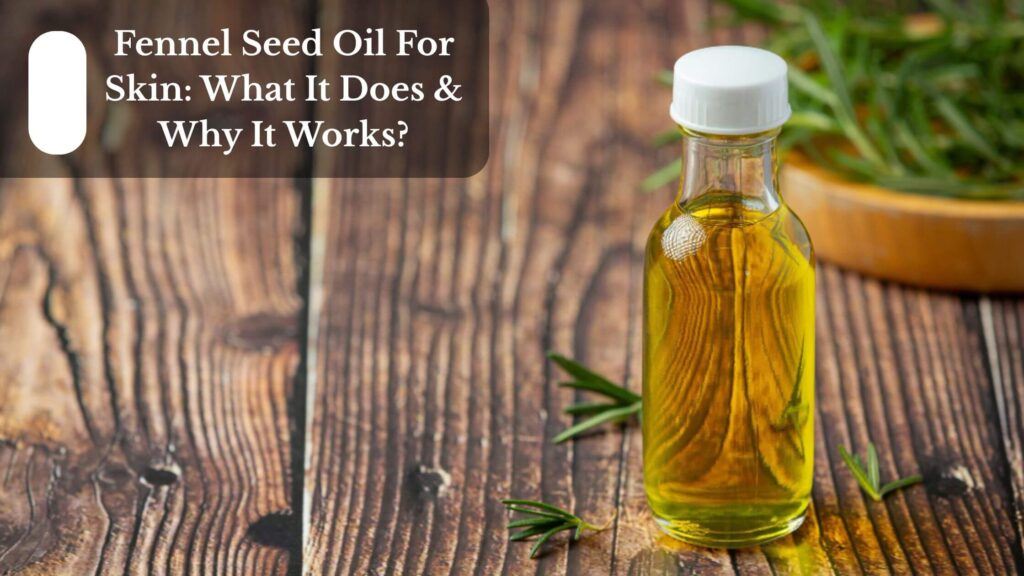
Introduction: Why Fennel Seed Oil Deserves Attention Natural skin care is highly rated these days, and what better than using activated and nutrient-rich oils on your skin? Are you wondering what these oils are that benefit your skin in the long run and do not lead to side effects? Well, it is none other than fennel seed oil for skin that works like magic without being harsh. Interesting, right? The rich oil from the plant enhances the skin’s complexion, reducing dullness and toning the overall texture. Here’s everything you need to know about fennel seed oil for skin, what it does, and how it works for the betterment of your skin. Fennel seed oil is a highly formulated oil that controls inflammation in the skin, manages redness, and builds a skin barrier for a toned effect. Known for its hydrating and regenerating properties, it is ideal for mature, combination, and sensitive skin types. You can use it in several ways, and the after effects will blow your mind. Excited to know more? Let’s discover more about fennel seed oil, where it comes from, how it is made, and the amazing benefits. What Is Fennel Seed Oil? Fennel seed oil is an antioxidant-rich oil extracted from the ripe seeds of fennel plants native to India and other parts. The dried fennel is primarily added to the machine, where it is extracted through the steam distillation method. Known for its culinary and medicinal purposes, the powerful oil has incredible benefits for your skin, hair, and overall health. You may also like: Are you excited to discover more about the advantages of fennel seed oil for skin and how it enhances the skin tone? But, before revealing that, here is the nutritional profile and the active compounds present in fennel seed oil that make it a unique one for your skin. Nutritional And Active Compounds In Fennel Seed Oil The nutrient-rich oil is ideal for skincare purposes as it is packed with bioactive compounds and other key active ingredients. Here are the top ones. A. Essential Fatty Acids Provides a rich texture to the oil and improves the skin barrier to lock in the moisture. B. Fenchone Helps in easy circulation and improves the detoxification process. C. Flavonoids Known for their collagen-boosting properties, it also fights oxidative stress to protect the skin. D. Estragole Brings a warm and succulent aroma to the oil. E. Anethole Top active compounds in fennel seed oil. It is rich in antioxidants and anti-inflammatory properties that protect the skin, calm irritation, and redness. How Fennel Seed Oil Works On The Skin? Now that you know about the nutritional values of fennel seed oil, let’s dig into the properties of the oil that make it very effective for all skin types. 1. Antioxidant Properties Did you know fennel oil has antioxidants like vitamin E that eliminate environmental stressors without being reactive to your skin? The rich oil balances the free radicals in your skin and reverses the signs of aging. 2. Anti-Inflammatory Protection Once you explore the benefits of fennel seed oil for skin, you’ll be blown away by its effects. Its anti-inflammatory action reduces skin redness, irritation, uneven skin tone, and sensitivity. 3. Promotes Microcirculation Your skin lacks blood flow and oxygen, which makes it dull, dehydrated, and dark. To promote micro circulation, use fennel seed oil. The oil delivers oxygen to the skin cells and improves the skin tone for healthy and brighter skin. 4. Improves Skin Tone And Firmness If your skin lacks a toned and firm effect, try using natural remedies and oils like fennel oil. The power-packed formula of fennel seed oil is suggested by traditionals and top enthusiasts to maintain your skin tone and firmness. 5. Helps In Detoxification Let’s detoxify the skin from harsh chemicals, dullness, puffiness, and hyperpigmentation with fennel seed oil. The oil helps to detoxify the skin really well by encouraging lymphatic movement. Key Benefits Of Fennel Seed Oil For Skin Now that you know the major properties of fennel seed oil that make it a unique addition to your skin care routine, here are some benefits that you will definitely enjoy. A. Tackles dullness and puffiness Say goodbye to puffy, dull, and dehydrated skin with fennel seed oil. It helps to tackle dull and dehydrated skin and puffiness around the eye area. B. Calms irritated and sensitive skin If your skin is highly reactive or sensitive, try fennel seed oil with a carrier oil. This formula reduces skin reactions, redness, and discomfort. C. Balances excess oil production Does your skin produce extra oil and make the overall appearance look greasy? Well, here’s the remedy. Fennel seed oil naturally balances the oil production in the skin without making it look oily. D. Improves skin texture If your skin texture or barrier is compromised, use fennel seed oil daily at night. It is ideal to improve circulation and hydration in the skin. E. Promotes radiant and glowing skin Glowing and luminous skin is everyone’s dream. However, to achieve it, use fennel seed oil as it naturally enhances your complexion and skin texture without any side effects or bleaching. F. Tackles anti-aging effects Anti-aging concerns like fine lines, saggy skin, and wrinkles can take over your skin. Thankfully, not anymore. The richness of fennel seed oil reverses aging problems. Fennel Seed Oil For Different Skin Types If you’re wondering if fennel seed oil is ideal or the right pick for your skin type, or not, here’s a clear distinction. How To Use Fennel Seed Oil Safely On Skin? Are you still wondering how to include fennel seed oil in your routine for safe usage and no side effects? Fret not, we have mentioned the best dilution ways to use fennel seed oil. Best Ways To Use Fennel Seed Oil After diluting the oil properly, you can use it in several ways, like – How Long Does It Take To See Skin Results? Once you include fennel seed oil in your
Top 9 Essential Oils For A Cavity-Free Smile

Introduction: Why Oral Care Needs Natural Solutions You have been using your regular toothpaste and mouthwash for years now. It’s been how many months since you changed your toothbrush? These are some key insights that people usually overlook for their oral care. However, today’s blog mainly focuses on natural solutions for oral care and how essential oils support it. People often ignore oral health until a disease like tooth decay, bad breath, gum sensitivity, or cavities takes over. Until then, it’s always a lean process. However, one should not wait for these problems to occur. Just turn your solutions into natural remedies, like essential oils for oral care, for a soothing and pacifying effect. You may also like: Oral care is not always based on chemicals in toothpaste and mouthwash. Sometimes, or most of the time, it’s the natural remedies or ingredients that play a powerful role. For example, many toothpastes these days contain lemon, salt, neem, and other herbs for a herbal and antibacterial effect. It not only supports oral hygiene but also reduces cavity problems and tooth decay. Let’s understand more about oral health and natural solutions in a frame. How Essential Oils Support Oral Health? Essential oils are one of the highly rated and effective natural ingredients these days. Known for their anti-inflammatory, anti-fungal, and antimicrobial properties, they are known to support oral health in endless ways. The concentrated essential oils are derived from the plant extracts and hold the essence to nurture your overall health. Here is how it supports your oral health and serves as an addition to flossing and brushing. The Role Of Essential Oils In Fighting Cavities Everyone is aware of the protective nature of essential oils and how they support oral health. But here is something more to it. The best essential oils also help to fight cavities and prevent them in the long run. Let’s see how. Top 9 Essential Oils For A Cavity-Free Smile Essential oils are a great support for oral health. Let’s see which ones contribute the most. 1. Cinnamon Essential Oil Cinnamon essential oil secures the first place amongst the top essential oils for oral health care. The antibacterial, antifungal, and powerful properties of cinnamon oil support oral hygiene. It has a very strong aromatic profile that is soothing on the gums. The essential oil cuts off microbes that trigger cavities in the mouth. Additionally, it possesses a strong aroma that cleans teeth and wafts away the odor. 2. Tea Tree Essential Oil Tea tree essential oil is known as the OG oil that supports your health in endless ways. Not only does it nurture your body, but it also keeps your oral health in check by preventing the formation of plaque and cavities. Tea tree essential oil is packed with anti microbial anti fungal and anti-inflammatory properties that improve gum health and tackle bad breath. 3. Clove Essential Oil Another highly rated essential oil for dental care and oral hygiene is clove oil. You might have seen clove as one of the primary ingredients in every other toothpaste and mouthwash. Well, all thanks to its oral health qualities and benefits that make it a powerful choice these days. The essential oil is ideal for tooth pain, tooth decay, and plaque formation. Just use it in a diluted form and avoid swallowing. 4. Peppermint Essential Oil A cooling essential oil that naturally freshens breath and battles foul odor is a must-have. Peppermint essential oil is one of them. It has cooling and complex compounds like menthol that maintain oral hygiene, reduce cavities, fight bacteria, and tackle bad odor. Peppermint oil is added to various toothpastes for its unique aroma and naturally cooling taste. But as experts, we do not recommend you try it individually, as it can lead to side effects. 5. Eucalyptus Essential Oil Eucalyptus essential oil is mostly found in mouthwash and mouth rinse as it has powerful properties that prevent gum and throat infections. Studies have found that eucalyptus essential oil has antibacterial and antimicrobial properties that fight fungal and bacterial infection that degrades your oral health. Additionally, it also maintains oral hygiene and freshens up the breath. 6. Thyme Essential Oil Thyme oil is another unique natural ingredient that is widely used in dental care products for its active compounds and strong properties. Known for its antibacterial and antimicrobial action. It effectively prevents the formation of tooth decay and plaque. 7. Spearmint Essential Oil Cooling essential oils like spearmint and peppermint are known for their wonderful properties for oral hygiene. However, spearmint is a mild version of peppermint and is great for killing bacteria in the mouth. Spearmint essential oil is ideal for people who have sensitive oral health,h as it supports fresh breath. 8. Lemon Essential Oil Citrus oils aren’t your regular diffuser oils. There are multi-purpose oils with unique properties that benefit your oral health in several ways. Lemon essential oil is one of them. It helps with clearer and brighter teeth,h along with fresh breath. Lemon oil also eradicates the formation of bacteria in the mouth. However, since it is very strong, one must always use it after proper precautions and expert advice. 9. Myrrh Essential Oil Myrrh oil is another great addition to your oral care routine, as it contains an active compound called thymol. This compound mainly prevents the buildup of plaque in the mouth. It also supports oral hygiene in the long run and prevents bacterial accumulation. How To Use Essential Oils Safely For Oral Care? The top essential oils for oral hygiene are a must-have, but only if you know how to use them. Here are the safest ways to include essential oils in your oral care routine so that it does not affect your health and are still beneficial. 1. DIY Mouth Freshener/Rinse 2. Oil Pulling You can also try oil pulling with extra virgin coconut oil and a drop of any essential oil mentioned above. Precautions And Safety Tips Benefits vs Traditional Oral