
Top 11 Essential Oils To Ease Morning Sickness Naturally

Introduction: What Is Morning Sickness And Why Does It Happen? Nausea in the mornings, uncomfortable sights, and dizziness all the time. Is this your daily routine? If yes, then you might be dealing with morning sickness, which is very common in pregnant women. Not only during pregnancy, but many people also face morning sickness and feel discomfort at the beginning of the day. Guess what, for those people, we have the best solutions that cater to their needs and do not make them fall sick. But may four moving on to the remedies, let’s understand the feeling of morning sickness and why it happens. Morning sickness is common during pregnancy and typically occurs in the first trimester, around 6-8 weeks. During this condition, women usually feel like vomiting all the time. Additionally, they also feel nauseous, dizzy, uncomfortable, lack of appetite, no smell sensation, and tiredness. You may also like: All these symptoms are usual during the early days of pregnancy, and it happens due to several hormonal changes. If you are a woman who is low on their blood sugar level or has a compromised digestive system, then this might trigger in your case. Can Essential Oils Help With Morning Sickness? Let’s uncover the hidden mystery below with facts and safety measures. Are Essential Oils Safe During Pregnancy? How Aromatherapy Helps Ease Nausea Naturally? Top 11 Essential Oils To Ease Morning Sickness Naturally 1. Ginger Essential Oil Ginger essential oil is probably one of the highly rated and best-selling essential oils for queasiness, upset stomach, and digestive problems. Just use it fasting in the morning with warm water, and you’ll instantly feel good. Alternatively, you can also diffuse ginger essential oil so its warm yet spicy aroma will instantly settle discomfort. 2. Lemon Essential Oil A citrus essential oil that brings in freshness and a zesty aroma is a must-have. We’re talking about the holy grail lemon essential oil that is highly refreshing and has a clean scent. Many pregnant women find it ideal to deal with morning sickness, nausea, and mood swings. 3. Peppermint Essential Oil Cooling yet soothing on the nerves, peppermint oil never disappoints, especially if used early in the morning. Just diffuse it, and you have to be good to go to deal with uncertain thoughts, nausea, and dizziness. Pregnant ladies can definitely use peppermint oil in other ways to reduce discomfort in the stomach. The menthol content in peppermint essential oil also relieves headaches and cools the brain. 4. Cardamom Essential Oil Everyone knows about Elaichi, the premium spice that instantly cures digestive problems and keeps you sane during stressful situations. Well, guess what? It is one of the must-have essential oils if you’re dealing with morning sickness and dizziness every other day. Simply use cardamom oil to relieve digestive discomfort and bloating. 5. Sweet Orange Essential Oil Have you ever wondered what citrus essential oils do to your body? The one like sweet orange essential oil, for morning sickness, instantly uplifts your mood and treats mild nausea and its symptoms. If you are craving a refreshing morning vibe without being too fruity, then try sweet orange oil. 6. Fennel Essential Oil Another best-selling essential oil for digestive problems and morning sickness is fennel oil. Fennel seed essential oil is known for its gas-relieving properties. It not only supports your stomach, but when taken after meals, it improves digestion. However, never ingest fennel essential oils. You can eat fennel seeds as they are for bloating and acidity. 7. Roman Chamomile Essential Oil If you’re looking for that one essential oil that has gentle properties, is calming, and reduces stress all in one go, then Roman Chamomile Essential Oil is meant for you. It relaxes your mind with its calming fragrance. 8. Eucalyptus Essential Oil Eucalyptus essential oil has a deeply refreshing and invigorating aroma that clears your airways and reduces upset stomach. Known for its cooling properties, it naturally eases your nervous system, reduces the feeling of vomiting, and also keeps you sane during stressful situations. 9. Spearmint Essential Oil People who are tired of dealing with morning sickness and want something calming and soothing in their daily routine should definitely try spearmint essential oil. It works really well for someone who adores a cooling fragrance that is not too overpowering. 10. Frankincense Essential Oil Frankincense essential oil is a strong essential oil that has grounding properties.It mainly tackles nausea associated with pregnancy. Women use it to relax their minds, reduce anxiety, and tackle nervous tension and abdominal pain. 11. Grapefruit Essential Oil Another essential oil that comes in the citrus category but also has sweet notes is grapefruit oil. The essential oil has an uplifting aroma with light stomach support and fresh vibes. Use it whenever you want an instant energy kick without being heavy on your senses. Best Ways To Use Essential Oils For Morning Sickness Essential Oils To Avoid During Pregnancy Not all essential oils are meant for morning sickness, especially for pregnant women. So here are some essential oils that are not safe to use during that time of life and might affect your hormones and contraction levels. Safety Tips For Using Essential Oils While Pregnant When to Stop and Talk to Your Doctor First things first, do not use essential oils before consulting your doctor. Include it only if your gynaecologist permits you during pregnancy. Secondly, you can avoid using essential oils and talk to the doctor if you feel dizzy or irritated all the time. You may also like: Final Thoughts: Finding Gentle Relief Naturally Morning sickness and dizziness are a part of life when you are pregnant. Those nine months feel like nine years if you experience it almost every other day. However, you can combat this feeling and discomfort with the best essential oils for morning sickness and dizziness. At Moksha Lifestyle, we have the top-rated, high-quality, and organically sourced essential oils for nausea. Use these pregnancy-safe essential oils for morning sickness, and you will
Taramira Oil For Itching: Relief Or Risk?
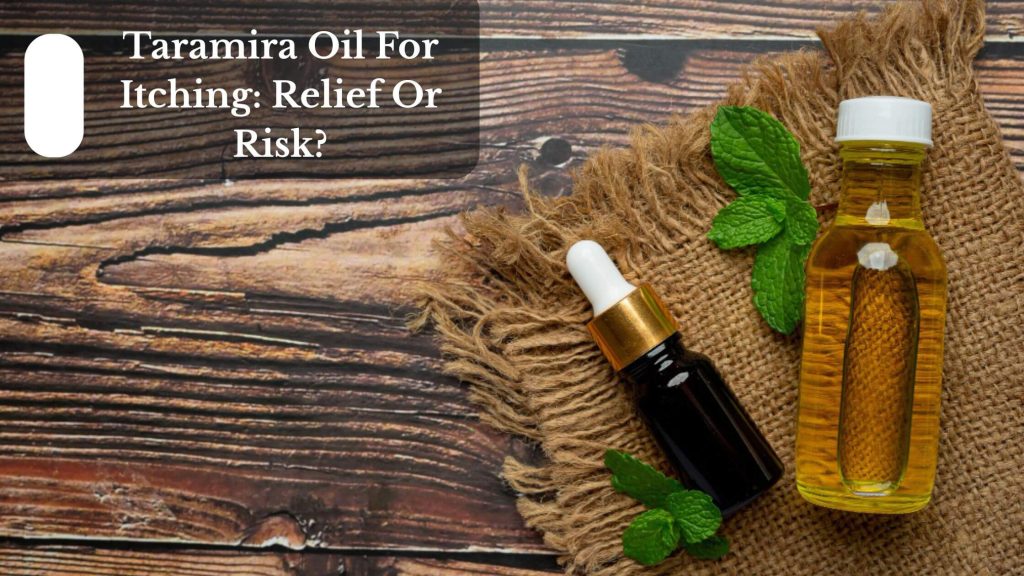
Introduction: Why People Use Taramira Oil For Itching? If you are new to the world of oils, you might not be aware of taramira oil. It is a one-of-a-kind oil that has incredible benefits for your health, hair, and skin. People usually wonder what it is like to use taramira oil for skin, especially to tackle the itchiness and inflammation. Today’s block post reveals the benefits of taramira oil for skin and how it works magically to improve your skin texture. Taramira oil has been used in beauty routines for quite some time. It is known for its rich content of fatty acids, antioxidants, vitamins, and minerals. Not only this, but the oil extracted from the seeds of ancient plants also packs several medicinal benefits. So it definitely works for your overall health. So let’s understand where taramira oil comes from and how it relieves itching and other skin problems. What Is Taramira Oil? Taramira oil is a powerful anti-inflammatory oil that comes from the seeds of the rocket plant, botanically known as Eruca Sativa. This plant is packed with a strong and flavourful aroma along with fatty acids, antioxidants, vitamin E, and other sulfur compounds. The rich oil is found in some parts of the world and is also known as jamba oil. The names are quite interesting, and so are their benefits for your skin, hair, and health. You may also like: Taramira oil has a warm effect on your skin. Due to its sharp aroma and strong nature, it has a thick consistency, and the taste is slightly bitter and pungent. All of these points direct towards the nature of taramira oil and its potent compounds. However, even after being strong, the oil is packed with nutrients that repair and hydrate your skin from within. So it is never a wrong choice to use taramira oil for itchy or inflamed skin. But take necessary precautions, and you’re good to go. Why Does Skin Itching Happen? Itchy and inflamed skin can be due to various reasons. Many people suffer from itchiness because of allergic reactions, while some notice extreme dryness. But the reasons can be countless. So, here are some of the major causes that trigger skin itchiness. All these reasons contribute to damaged, dry, inflamed, and itchy skin. The result turns out to be the skin becoming overly sensitive and reactive to every other product. So, what’s the solution? Well, itching can be a lifelong problem, and scratching is a temporary solution. So, the best way to deal with itis by using oils that relieve itchiness and provide long-lasting hydration. Potential Benefits Of Taramira Oil For Itchy Skin Taramira oil is one of the few oils that actually helps to tackle itchiness and inflammation in the skin. It has incredible benefits if used properly after taking precautions. Let’s map out the potential benefits of taramira oil for skin. 1. Extreme Skin Barrier Support Your skin barrier is probably one of the most important ones to take care of, especially in the case of sensitive skin. Taramira oil is packed with vitamin E and other skin-repairing ingredients that promote resilience and the skin barrier. It improves the texture of the skin and promotes a soft and healthy-looking feel. 2. Eliminate Inflammatory Action On The Skin Inflammation is one of the primary reasons why your skin is extremely itchy and reactive. While inflammation can seriously damage your skin and its appearance, taramira oil acts as a traditional remedy to combat it. The power-packed formula of this oil reduces skin inflammation, redness, and other discomfort. 3. Improve Blood Circulation Did you know taramira oil has a warming effect on your body that promotes blood circulation and reduces discomfort? Studies have found that the soothing oil helps with pain and soreness as well. So, once you use it for skin irritation and other skin issues, it doesn’t disappoint. 4. Offers Deep Skin Hydration Hydration is the key to improving your skin health and reducing textured skin. However, this is not possible without tackling the dryness. So, here we are with the amazing benefits of taramira oil that deeply moisturizes the skin, reduces itchiness, and nurtures it to seal the hydration. The presence of fatty acids, antioxidants, and vitamins in the oil reduces dryness, flakiness, and other skin issues. 5. Nurtures With Antioxidants, Vitamins, And Nutrients Your skin might lack nutrients and vitamins if it does not get its daily dosage. Thankfully, taramira oil does wonders as it is rich in antioxidants that reduce oxidative stress to the skin and prevent environmental pollutants. Can Taramira Oil Cause Side Effects? Every natural product or medical product has its own set of advantages and disadvantages. While taramira oil does not cause any side effects, it can react with people who have sensitive skin. Yes, that’s absolutely true. Taramira oil has a strong fragrance, which is warming. This can turn into a disaster if your skin is extra sensitive and reacts to every other ingredient. So here is why you should not use taramira oil, as it can cause side effects like – While this is absolutely subject to every other skin type, there is no such study that says taramira oil is bad. The only precaution that everyone must take is to do a patch test before using the oil. Just apply the oil on your wrist or neck and keep it for 24 hours. If you notice minor redness, irritation, or any other concern, do not use it further. Who Should Avoid Using Taramira Oil? As mentioned above, taramira oil does not cause side effects in everyone. Just the right amount of usage for the right skin type is ideal when using essential oils or carrier oils. However, when it comes to using taramira oil, a certain group of people should avoid using it in all seasons. How To Use Taramira Oil Safely For Itching? Using essential oils or carrier oils in a proper manner is very important. You have to take
Apricot Oil For Face: Gentle Care Or Hype?

What Is Apricot Oil? Apricot oil is a light packaged oil that is composed of the careful oils of the kernels of the apricot fruit, commonly referred to as Prunus armeniaca. It is also known as apricot kernel oil. It is the most frequently used in the beauty sector, particularly in skincare, hair care, and aromatherapy, due to its smooth and hydrating properties. The oil is usually cold pressed to maintain its natural vitamins and fatty acids, especially vitamin E and vitamin A, which work in nourishing and protecting the skin. Apricot oil is said to contain a lot of oleic and linoleic acids and, therefore, can be used in dry, sensitive, or mature skin. It is readily absorbed without leaving a heavy or greasy residue and thus is commonly used as a commonly used carrier oil when using essential oils in massage therapy. Nutrients In Apricot Oil That Benefit The Face Oil derived from the kernels of Prunus armeniaca is apricot oil, and this oil has various nutrients that are particularly helpful to the skin of the face. It is high in vitamin E, which is a potent antioxidant that prevents skin damage, which is caused by free radicals in the environment, as well s assists in maintaining moisture and lessens the formation of fine lines. Vitamin A is also present in the oil and helps the skin cells rejuvenate and increase the overall texture and tone. Vital fatty acids, especially the oleic acid (omega-9) and linoleic fatty acid (omega-6), are important in fortifying the natural barrier of the skin to maintain the skin soft, smooth, and moist. You may also like: These fatty acids are useful in reducing drying, irritation, and inflammation, and thus, apricot oil can be used on sensitive or acne-prone skin. Phytosterols and polyphenols in minute quantities also help in making it soothing and anti-inflammatory. Potential Benefits Of Apricot Oil For Facial Skin 1. Hydra IQ Oils extracted using kernels of Prunus armeniaca are full of oleic acid and linoleic acid, which not only provide the skin with deep hydration but are also lightweight. In comparison to other oils that are heavier, it is quick and does not leave behind any greasy remaining oil after use, and this is why it is mostly used in everyday face application. It has the power to lock in the moisture, re-making the skin soft, smooth, and supple due to its emollient properties. This is particularly useful with dry, flaky, or dehydrated skin types that need living hydration over a long period of time. 2. Keeps The Skin Barrier Healthy The apricot oil is composed of the required fatty acids that can make the skin barrier stronger. Its protection is efficient where moisture loss is concerned, and it also protects the face against environmental damages including pollution and severe weather. Apricot oil helps decrease dry, sensitive, and irritated skin through strengthening this barrier. Regulatory use can also result in making the skin more resilient, and after some time, healthier, calmer, and balanced. 3. Anti-Aging Apricot oil is rich in vitamin E, which is a very strong antioxidant to fight the harmful effects of free radicals that are responsible for aging the body. It can minimize the occurrence of fine lines, wrinkles, and dullness by attaching itself to oxidants and oxidizing agents, thereby neutralizing them. They can also be regularly applied to make the skin look firmer and smoother. Its antioxidizing properties also ensure a fresh skin appearance, which is why it is a favorite in natural anti-aging skin care. 4. Soothes Irritated And Sensitive Skin Apricot oil has a soft consistency and should be applied to sensitive skin on the face. It has natural anti-inflammatory constituents that can soothe redness, itchiness, and slight irritation. This is why it can be useful to people who have to struggle with dryness, sensitivity to the environment, or slight discomfort of the skin. It can feed the skin because it is mild, and it does not cause further irritation, which enhances a more balanced and comfortable skin. 5. Enhances The Skin Tone And Texture Intake of vitamin A in apricot oil helps healthy skin cells turn over, which would improve the skin texture and tone in general. It can promote the removal of rough spots and uncertain edges by promoting renovation. Regular use may make the skin smoother and brighter as well as more sophisticated. Such mild improvement helps to make apricot oil a welcome addition to any facial care regimen based on radiance. 6. Assist Managing Oily Skin Apricot oil is quite lightweight and non-comedogenic, which fits most skin types, though it is also an oil. Its linoleic acids can potentially normalize the production of sebum that can minimize clogged pores and breakouts. It also has calming effects against acne inflammation. Applied in the right way, it can help maintain a clearer looking skin without causing any important moisture to be lost. 7. Increases Natural Bone Apricot acts to restore the depleted and sorrowful skin by replenishing it with moisture and other nutrients. The nutrition profile makes it easier to have a smooth texture and better elasticity, which results in a healthy and radiant look. It easily penetrates, hence leaving the face feeling fresh as opposed to being oily. The natural skin could increase the natural glow of the skin,, kin making it have a soft and radiant finish that feels hydrated and refreshed with regular use. Is Apricot Oil Good For Acne-Prone Skin? You may also like: Moksha is an established Wholesaler, manufacturer, and exporter of essential oils and other Essential oil products in India. Depending on the intended usage, it offers the most genuine essential oils of only the highest quality. They contain no chemicals, additives, or fillers. Furthermore, this does not include synthetic colors, synthetic preservatives, or synthetic fragrances. In other words, that makes them excellent for everyday use. Practically speaking, while the essential oil is 100% natural, it is prudent to use a carrier oil before applying