
Rosemary vs Onion Oil: Which Grows Hair Faster?

Introduction: The Hair Growth Dilemma The endless fight with hair fall is quite frustrating in the long run. While people usually show off their voluminous tresses, you are stressed with your constant hair fall and breakage. Even after trying all the solutions, it feels like nothing works. Well, in that case, it’s better to go natural and kick off the hair growth dilemma. Use the best carrier oils and essential oils for hair growth, and the results will blow your mind. Wait, how? We are here to guide you about the two most controversial hair oils for hair growth. Both of these hair oils are known for their hair growth properties, but here’s the catch. There are a lot of differences between the two natural remedies for hair growth, and that’s what makes them different from each other. The hair growth dilemma is about to buzz as we reveal the major differences between rosemary oil and onion oil for hair growth. (The guide clears the doubts between the two oils by comparing their key differences based on the effectiveness, usage, and primary benefits.) What Is Rosemary Oil? Talking about rosemary oil, it is an essential oil that is derived via the steam distillation method from the herbal leaves of the rosemary plant. Rosemary, botanically known as Rosmarinus officinalis, is a herbaceous, woody, and fresh plant that has been used for years in hair care, skincare, and the medicinal sector. Additionally, pure rosemary essential oil is highly concentrated and is rich in key compounds like rosmarinic acid, carnosic acid, cineole, and pinene. All of these activities present in rosemary essential oil make it highly anti-inflammatory, anti-fungal, and antibacterial. (Unknown Facts: Did you know rosemary essential oil was also used by our ancestors to make medicines that promote circulation, improve hair health, and balance your cognitive abilities?) What Is Onion Oil? The other side of the hair growth dilemma is onion oil, which is a power-packed carrier oil formula extracted from onions. The rich carrier oil is typically high in antioxidants, nutrients, and sulphur, which is known to promote hair density and growth. You may also like: Onion oil is not an essential oil, which means it is less concentrated. But it has other noteworthy compounds that make it very effective for hair growth. Not only this, but onion oil is a dense formula rich in nutrients and a pungent smell that makes it an effective remedy for hair thickness and density. (Unknown Facts: Did you know onion oil has a high content of sulfur in it? It magically improves your hair growth cycle, tackles premature greying, and hair loss to a great extent) How Rosemary Oil Helps Hair Growth? As mentioned above, rosemary oil is an essential oil, and therefore, it works in several ways for hair growth. Here’s the science bixby behind the efficacy of rosemary essential oil. A. Protects your hair Research has found that rosemary essential oil naturally protects your hair as it is rich in antioxidants. These potent antioxidants tackle the free radical damage to the hair follicles that can further lead to hair loss. B. No more inflamed scalp If your scalp is itchy and inflamed, it might turn into a silent killer for healthy and strong hair. Thankfully, not anymore. Pure rosemary essential oil for hair growth is a tried and tested remedy that eliminates various scalp infections. It keeps scalp irritation, inflammation, seborrheic dermatitis, and folliculitis at bay. C. Blocks DHT hormone The DHT hormone is mainly responsible for baldness and hair thinning. However, rosemary essential oil does a great job of targeting DHT hormones. It regulates and blocks it so that hair fall is controlled. D. Promotes hair growth If there is one essential oil that you need in your hair care routine to promote hair growth and scalp circulation, it is rosemary oil. Using rosemary oil with the top carrier oils for hair growth helps to improve the chances of new hair by 4x. How Does Onion Oil Help Hair Growth? The hair growth dilemma doesn’t end with the benefits of rosemary oil. Everyone wants to know about the holy grail onion oil that is very hyped on the internet these days. Here is how onion oil works for hair growth. A. Rich in nutrients that hydrate Have you ever wondered how onion oil promotes hair growth, and at the same time nourishes your hair for that soft and glossy finish? Well, the magic lies in the dense nutrients present in onion oil. These nutrients include calcium, magnesium, phosphorus, and zinc, which promote hair strength and improve hydration without any side effects. B. Promotes blood circulation Have you ever wondered what triggers hair growth from your scalp? It’s the high level of blood circulation, which is only possible when you use a high-quality scalp stimulating oil. Onion oil naturally enhances the blood circulation in the scalp that revitalises the hair follicles to nurture them with nutrients, vitamins, and oxygen. C. Rich in anti-inflammatory and anti-fungal properties Another reason why you should use onion oil for hair growth is its potent anti-fungal and anti-inflammatory properties. Both of these qualities block scalp infection and the overgrowth of bacteria and fungi. When the scalp is clean, it feeds your hair with powerful nutrients, keratin, and vitamins for hair growth. D. Packed with sulfur for hair growth One of the powerful actives present in onion oil is sulfur. This compound magically transforms the hair growth and treats hair loss at a success rate within two weeks. Rosemary Oil vs Onion Oil: Key Differences 1. Primary Benefits 2. Aromatic Profile 3. Time for Results 4. Ideal for 5. Potency Ratio Which Oil Works Faster For Hair Growth? Both oils are great at their work. But when we talk about fast results for hair growth, onion oil takes the lead. The nutrient-rich oil supports hair growth and keratin production in the hair that naturally repairs and strengthens the tresses. However, if you feel onion oil might be
Organic vs Non-Organic Essential Oils: Is It Worth It?
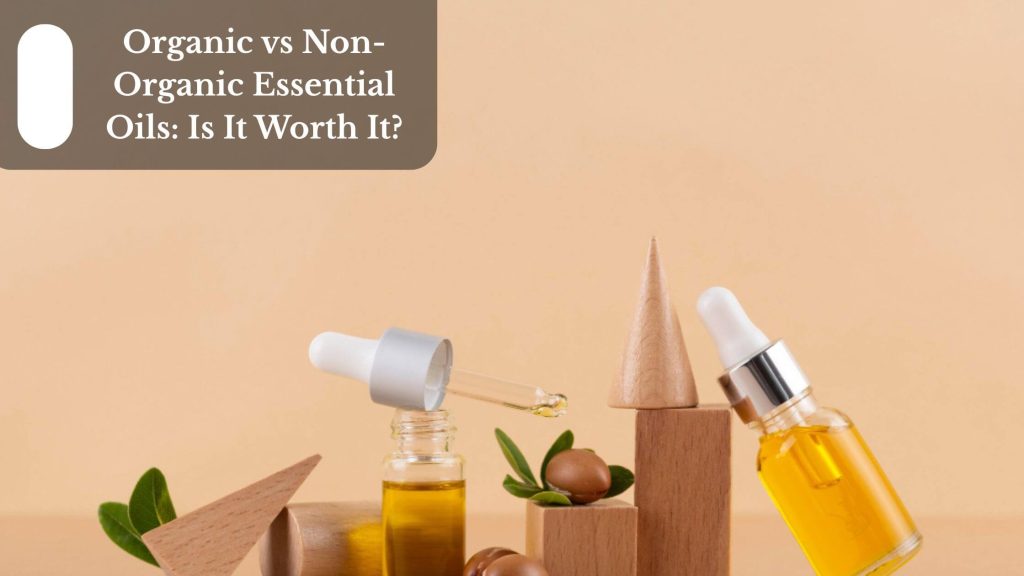
What Are Organic Essential Oils? The organic essential oils are pure extracts of plants, obtained through either steam distillation or cold pressing, using flowers, roots, leaves, bark, or a combination of these as raw materials. These materials must be grown without the use of synthetic pesticides, herbicides, or genetic modification. These oils preserve the original scent and other essential constituents of the plants, and thus have extensive applications in aromatherapy, skincare, and wellness. Being manufactured according to the organic farming standards, they are supposed to be purer and friendlier to the environment as compared to the conventional essential oils. What Are Non-Organic Essential Oils? Non-organic essential oils are natural extracts that are produced by growing the plants by the use of conventional farming techniques as opposed to being certified organic. This indicates that the products can be treated with artificial pesticides, herbicides, fertilizers, or genetically modified processes in the process of growing them. They are generally derived by using steam distillation or cold pressing to store the natural aroma and chemical characteristics of the plant, just as in the case of organic essential oils. You may also like: Nevertheless, there is a possibility of traces of chemical residues in the final product due to the fact that it is not organically certified, based on the quality control measures implemented by the producer. Most non-organic essential oils are cheaper and readily available and can therefore be used in daily applications like aromatherapy, massage, and home fragrance. Key Differences: Organic vs Non-Organic Essential Oils 1. Source Organic essential oils are produced using plants produced in the absence of synthetic chemicals, and non-organic essential oils are produced using conventionally farmed plants, which could have been adulterated with pesticides, herbicides, and artificial fertilizers. This inherent difference in growing techniques influences the purity of oil, as organic ones are not likely to have chemical residues. Non-organic oils, on the other hand,d might contain traces of such substances, although this will depend on the agricultural methods of farming. 2. Recognized Certificate Certification is a standard that identifies organic essential oils as opposed to non-organic essential oils. The organic oils have to fulfill the guidelines still set by reputed certification organizations in which plants are cultivated, harvested, and handled as per the organic standards. The standard of using non-organic essential oils is not keeping up with these stringent standards, hence none of them are certified. This disparity can affect consumer confidence, whether by certified organic labels, which can give confidence in the source of the product as well as the process of its production. 3. Cost Measures The cost of organic essential oils is typically higher compared to non-organic options due to more labor-intensive farming practices and certification requirements. Organic farming does not use synthetic inputs, which means that there will be less crop production and higher production costs. All this is employed in the end product,t which is the oil. The use of non-organic essential oils is usually cheaper due to the more effective and economical nature of conventional means of farming. 4. Environmental Benefits The other important dissimilarity between organic and non-organic essential oils is their environmental effects. The methods of organic farming focus on sustainability, soil health and biodiversity, decreasing pollution, and supporting bioequilibrium. Such practices are useful in the conservation of natural ecosystems and the reduction of damage to wildlife. Non-organic farming, on the contrary, can incorporate the use of chemicals, ls which can lead to poor soil quality, the pollution of water bodies, and other environmental adverse effects. 5. Quality And Purity It is believed that the quality and perceived purity of organic essential oils are better than those of non-organic oils. Oils extracted are considered to be more natural as the plants used in the process of extracting the oils are natural, with no synthetic chemicals added. Non-organic essential oils can be of a high quality, but they can contain a different level of purity based on the quality requirements that the manufacturer has and the way they source the oil. Other non-organic oils are refined effectively to eliminate impurities, which can also vary to a large extent. 6. Demand In The Market Organic and non-organic essential oils are also different in terms of their availability and accessibility. Organic oils may also be more difficult to access with higher production compliance and supply quotas, or more so to specific species of plants or locations. This low supply may render them inconvenient to some consumers. However, non-organic essential oils are sold in lots of shops and online and are available in a wider variety and are always available. Do Organic Essential Oils Offer Better Benefits? The purity of organic essential oils and the lack of impurities and non-toxic production procedures are not necessarily a better treatment compared to non-organic essential oils, yet it tends to be more preferred. Since organic oils are produced out of plants that are not cultivated using synthetic chemicals, they will be less inclined to have any traces of pesticides in them, which may also matter to individuals with sensitive skin or those who may consider using naturally produced products. But the true efficacy of an essential oil lies more in the plant species, mode of extraction, and the general quality rather than the organic nature of the essential oil. Safety Considerations: Which Is Safer? There are also times that organic essential oils can be regarded as a safer choice when it comes to safety, since they are derived from plants grown without the use of synthetic pesticides or the use of chemical fertilizers, and this has seen organic essential oils receive preference over the others as they are less likely to lead to exposure to their residues. This may be particularly essential to people whose skin is sensitive or allergic, or those who often put oils on the body. But it is not the case that the safety depends on the fact that an oil is organic or not. The essential oils are very concentrated,d both
Lavender Oil vs Chamomile Oil: Which Is Better For Sleep?
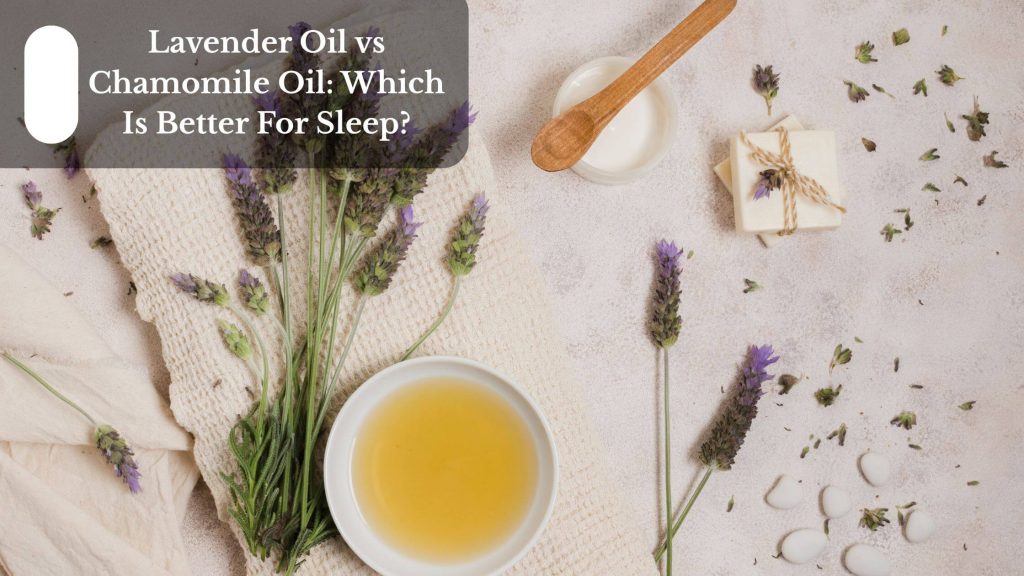
Introduction: The Search For Better Sleep Good beauty sleep comes with endless benefits. The search for better sleep often makes people try several remedies, including high-dosage medicines, too. While all this might work, it doesn’t guarantee you undisturbed sleep without side effects. With every remedy you try, there is a side effect to it. But do you know what’s even better, that does not link any adverse problem with it? It is the essential oil for good sleep. Yes, that’s true. If you are a Gen Z struggling to leave your phone or an elder who’s wondering when your sleep patterns are gonna fix, your search ends here. The two famous essential oils, lavender oil and chamomile oil for sleep, are known for their therapeutic benefits. But what sets them apart are their benefits and uses in the long run. In today’s blog, we will help you find the perfect sleep companion that unwinds your body and puts you to sleep in minutes. Why Essential Oils Help With Sleep? Before moving forward and understanding the differences between the two oils, let’s see what the hype is all about. Essential oils, in general, are known for their rich bioactive compounds that stimulate your nervous system and connect with various cells at once. So, when you inhale the essential oils, the aromatic compounds instantly reach the olfactory system that regulates your stress level, emotions, memories, and sleep. The best essential oils for sleep are known to – As per research in 2021 by Frontiers in Psychiatry, the results have shown significant improvement in sleep quality by 28% within a span of 14 days. What Is Lavender Oil? Lavender essential oil is a holy grail essential oil for many people out there. It is extremely important to extract from the buds of lavender trees that are mainly found in the Mediterranean region. The essential oil has been used for centuries in the medicinal industry, as it has a powerful chemical composition. The main compounds include – All of these compounds are rich in anti-inflammatory and relaxation properties that reduce stress and promote stillness. The highest quality lavender essential oil is a gold standard oil that procures its chemical and aromatic profile. It does not have any adulterants, synthetic chemicals, or added fragrance. What Is Chamomile Oil? Chamomile essential oil is derived through the steam distillation method from the flowers of German chamomile or Roman chamomile. The oil is usually extracted from one of these flowers, which affects its concentration level and chemical composition to some extent. The major compounds present in chamomile essential oil that help with sleeping are – All of these compounds have dominant properties that significantly reduce stress levels. It further enhances relaxation and diffuses sleep-associated problems. You may also like: Benefits Of Lavender Oil For Sleep As mentioned above, lavender essential oil is a staple for many people and a powerhouse of active compounds. Let’s explore the benefits of lavender oil for sleep. A. Improves Sleep Duration And Quality If you sleep only 4-5 hours a day, then we highly recommend you try lavender oil for sleep duration. The powerful oil not only enhances your sleep quality but also improves the REM stage of the sleep cycle. This is indicated in a report study published in 2020. B. Keeps Stress And Anxiety At Bay It’s time to bid farewell to anxiety or stress issues that are capturing your overactive mind. Lavender oil for stress and anxiety is a powerful remedy that calms you before bedtime. A steady trial by Phytotherapy Research in 2015 revealed shocking results about the effectiveness of lavender oil for people with anxiety and stress. C. Lowers Sleep Disturbances If your nightmares are at their peak and sleep disturbances often take up your time, you must include lavender Oil in your bedtime routine. Diffuse it before bed or directly inhale to seize its benefits. D. Balances Heart Rate And Blood Pressure People who suffer from high blood pressure and heart rate disturbances must use lavender essential oil for deep relaxation and good sleep quality. E. Reduces Sore Muscles And Tension Tight muscles and soreness can often disrupt your sleep like no other. Thankfully, a lavender bath soak ritual before bedtime reduces muscle soreness and puts you to sleep in no time. Benefits Of Chamomile Oil For Sleep Lavender essential oil is one of its kind when it comes to mental well-being. But here’s how chamomile essential oil brings its set of benefits for good sleep. A. Improves Natural Sleep Without Disturbances Getting that natural dose of sleep without disturbances is difficult to approach these days. Thankfully, not anymore. Chamomile essential oil improves the sleeping pattern and promotes gentle sleep without grogginess. B. Tackles Gut And Digestive Issues If you deal with digestive problems or gut issues like acidity or gas, your sleep schedule might not be at its best. But, guess what, chamomile essential oil calms your digestive tract with Bisabolol as its primary compound. It naturally fixes your gut issues and reduces discomfort during sleep. C. Eliminates Body Soreness And Inflammation A sore and stiff body makes it hard to sleep, especially if it is due to a workout or physical pain. Chamomile essential oil naturally targets the inflammation in the body and reduces stiffness and soreness. D. Reduces Restlessness Chamomile oil for good sleep manages a restless body that is hyperactive. It calms the mind and reduces nervous system problems. E. Gently Heals Your Health Chamomile oil works wonders for people who are sensitive to fragrances or oils in general. It naturally heals your body. An improves your overall physical and mental health. Lavender Oil vs Chamomile Oil: Key Differences The benefits of lavender oil and chamomile oil are quite clear as of now. But let’s cut them even further to pinpoint the key differences between them. 1. Primary Benefit 2. Aromatic Profile 3. Best For 4. Potency Level 5. Time For Results Which One Is Better For Your Sleep Needs? While comparing