
Terpenes In Essential Oils: Benefits & Effects Explained
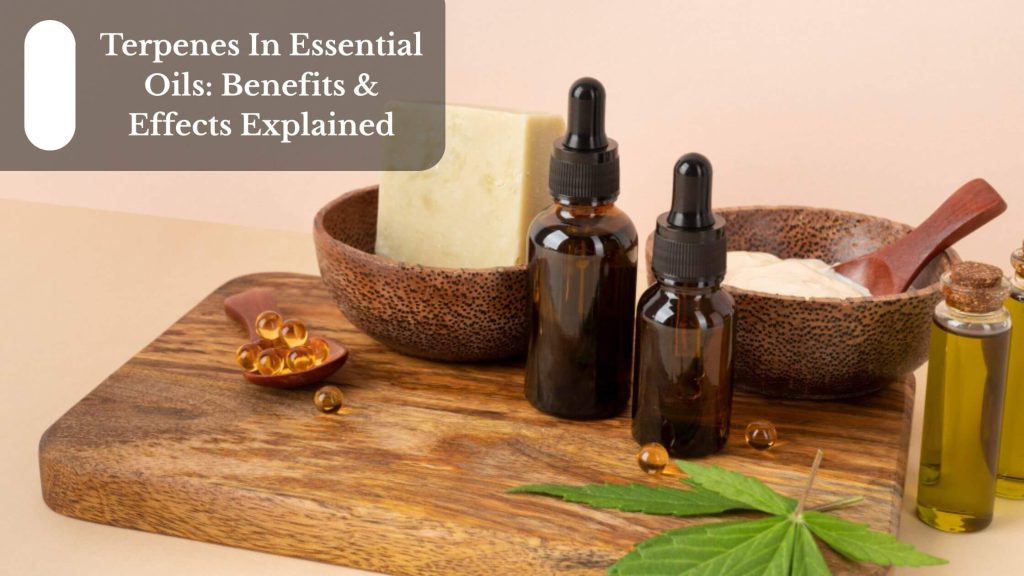
What Are Terpenes? The terpenes (aromatic compounds) that are produced in nature have been found in many plants (mostly herbs, fruits, and trees) and confer a specific smell and taste. It is they that cause the pine to emit its fresh odour, the oranges to emit their citrus odour, and the lavender to emit its calming odour. Also of importance in the biology of plants are terpenes, in addition to their sensory qualities; they help plants attract pollinators and repel predators. In recent years, they have come into the limelight due to the possible health benefits of the terpenes, which are speculated to have anti-inflammatory, antioxidant, and relaxing properties. The terpenes are also consumed as essential oils and perfumes, among others, and also play a crucial role in cosmetics and flavors in food. How Terpenes Work In Essential Oils? Essential oils and terpenes have physiological and psychological effects that are shown through a variety of activities with the body through inhalation and skin absorption. By this route, when breathed in, the terpene molecules follow their way up the nose to the olfactory system, which transmits the signal to the limbic system, a section in the brain that controls emotions, memory, and mood. You may also like: That is why some essential oils may be helpful to relax, concentrate on, or become energized. Topically used terpenes can penetrate the skin and have local action, such as decreased inflammatory response or pain in muscles. Various terpenes vary in their characteristics: some of them relax, others are mood-enhancing or antimicrobial. They are the compounds that are likely to synergize with other natural parts that are contained in the essential oils, making them more effective. Common Terpenes Found In Essential Oils Out of the terpenes that usually form a constituent of essential oils, the terpenes add value to the aroma, medicinal, and therapeutic properties. One of the most famous terpenes is limonene, which is largely found in citrus oils, e.g., orange and lemon, and gives a fresh and exhilarating aroma and may enhance a good mood and reduce stress. Another potent terpene is Linalool, which is contained in the oil of lavender and is a calming and a relaxant; therefore, it may help to fall asleep and/or release anxiety. Pinene, an element in pine and rosemary oils, is a cool forest scent, which is believed to support the breathing system and alertness in movement. It also contains a lot of eucalyptus oil and is regarded as pleasant as well, as it soothes the body, and can even cause congestion and breathing difficulty. Moreover, myrcene, which is an element of such oils as thyme and lemongrass, can be associated with the calming and anti-inflammatory properties. Key Benefits Of Terpenes In Essential Oils 1. Stress Relief The Essential oils have been known to contain terpenes, which are relaxation and stress relievers. The possible mechanism through which linalol in lavender oil reacts with the limbic system in the brain to create the relaxational effects is indirect. Because of this, it is possible to use essential oils to reduce anxiety levels, improve mental state, and sleep more effectively using them in aromatherapy. 2. Anti-inflammatory The second important effect of the terpenes is that they can potentially have an anti-inflammatory effect. The terpenes, which contain myrcene and beta-caryophyllene, may help to reduce the inflammation in the body when it gets absorbed into the skin or when it is inhaled. This will enable them to apply the oils in massage therapy and topically to treat sore muscles, joint pains, and minor aches. Their instinctive response is the natural substitute to man-made medicine, which leads to these people being less worried about themselves and their bodies, and the threat of the undesirable side effects, which often coincides with the use of chemicals, is negligible. 3. Anti-bacterial cleaning Terpenes are also antimicrobial and antibacterial deterrents that assist in avoiding contact with pathogenic microorganisms. Terpenes such as tea tree oil are important aids in cleansing and purification and are found in essential oils. These could be applied on the skin in the diluted state or incorporated into a cleaning solution to help in eliminating bacteria and fungi. 4. Respiratory Properties Terpenes possess numerous respiratory properties, but the most common are the terpenes in eucalyptus oil and pine oil. Such substances as eucalyptol would come in handy in clearing airways, relieving congestion, and causing easier breathing. These terpenes can be inhaled in steam or diffusers to relieve cold effects, pressure in the sinuses, and seasonal allergies. 5. Mental clarity Terpenes can also enhance focus and mental clarity; therefore, they can be utilized to enhance productivity and focus. In some cases, as an illustration, the terpenes include pinene, which is believed to enhance alertness and memory. They can be used to stimulate the mind when there are essential oils such as rosemary and ease the mind’s wear and tear. This has rendered them the most appropriate when they are studying, working, or performing creative tasks since this is a natural means of improving their cognitive functioning without the use of stimulants. 6. Soothing Properties And finally, terpenes have been used as a way to promote the health of the skin through their ability to inhibit oxidants and calm the skin. They can help to avoid damage to the environment on the skin, reduce irritation, and help with recovery. Essential oils containing terpenes are popularly used in skincare regimens to improve a complexion as well as maintain healthy skin. You may also like: Moksha is an established Wholesaler, manufacturer, and exporter of essential oils and other Essential oil products in India. Depending on the intended usage, it offers the most genuine essential oils of only the highest quality. They contain no chemicals, additives, or fillers. Furthermore, this does not include synthetic colors, synthetic preservatives, or synthetic fragrances. In other words, that makes them excellent for everyday use. Practically speaking, while the essential oil is 100% natural, it is prudent to use a carrier oil before
Citronella Oil Benefits For Rapid Hair Growth

Introduction: The Natural Path To Faster Hair Growth We’ve all been there when detangling hair leaves many strands left, right, and center. This is intended for massive hair fall, especially when you run your fingers through the scalp. If that is what happens to you, along with many other women, then you are not alone. This has been the story of every girl out there who is frustrated seeing the loop of never-ending hairfall. So, what’s the solution? Say no to chemicals and go natural. Do not take another chemical-based treatment to hydrate your hair and simply switch to essential oils with antioxidants or hydration. You just need a natural way for faster hair growth with citronella oil. Citronella essential oil for hair growth has been a revolutionary ingredient that not many people know about. The essential oil is a powerhouse of key compounds that nurture your tresses, improve circulation, and revitalize hair follicles. Additionally, citronella oil for hair growth is a tried and tested remedy. It works on the cellular level and increases hair growth, density, and restores the natural texture of your locks. What Is Citronella Oil? Citronella essential oil is a highly potent and aromatic essential oil extracted from the stems and leaves of the citronella plant. The plant is mainly grown in areas like Sri Lanka, Asia, and Java. Known for its anti-inflammatory, herbal citrus aroma, the pale yellow essential oil has been used for years in the wellness space. You may also like: You might have heard of citronella essential oil as a warm, citrusy fragrance. It is also a highly antibacterial and anti-inflammatory essential oil. However, it has endless uses that make it an effective choice in your hair care routine. Let’s see how citronella oil supports hair growth and keeps your tresses looking healthy and voluminous. How Citronella Oil Supports Hair Growth? Hair growth is not an overnight process. You just apply citronella oil for a night, and boom, everything changes the next morning. That is never going to be the case. However, citronella oil works for a long period of time. It primarily offers nutrients to your scalp, maintains its health, and revitalizes the follicles. It works in three stages, so let’s see how it goes. Key Benefits Of Citronella Oil For Hair Hair growth is not only about how long your hair is. It is more for your scalp and hair health, along with the density and texture improvements. Here is how citronella oil works wonders for your hair. A. No more hair breakage or hair fall Hair fall triggers are due to two main reasons. One is the weak and unhealthy roots, and the other is fragile hair ends. When both of these combine, it leads to intense hair fall and frequent breakage. Thankfully, citronella essential oil for hair growth helps with thicker and fuller hair over a period of time. B. Say Goodbye to dry and damaged hair A dry scalp can be uncomfortable, especially during winter, as it creates tiny white flakes that keep falling now and then. It further blocks hair growth and leads to damaged hair. The reasons for damaged and dry hair are also the chemical treatments, frequent heat styling, and environmental pollutants. Citronella oil provides a shield on your scalp and hair and protects it from dryness. It naturally hydrates the hair and promotes hair development regularly. C. Healthy scalp = Improved Hair Growth If you have a healthy scalp, you’ll see amazing hair growth over a period of time. Your scalp is furnished with millions and trillions of microorganisms. When these are mixed with bacteria or fungi, it triggers hair fall, itchy scalp, flakiness, and inflammation. Citronella essential oil is a power-packed oil that has anti-microbial and anti-inflammatory properties. It balances the pH level of your scalp, tackles the germs, and nurtures healthy microbiomes for hair growth. D. Naturally soft and shiny hair Your hair’s appearance decides its moisture level and scalp health. If the hair looks dull, dehydrated, and brittle, it might not be in its best state. Well, citronella oil nurtures it like a PRO. It delivers ultimate shine and softness to the hair, making it more manageable and naturally shiny. E. Scalp Relaxation and rejuvenation Your scalp health decides if you have a good hair growth pattern or not. Well, bad hair growth also depends on high stress levels and your gut health. All of these factors might trigger hair loss in the long run. Citronella oil turns into a miraculous remedy for your scalp as it promotes relaxation and brings down stress levels. Just use the essential oil and include it in your oiling routine with a carrier oil for a relaxing massage session. It works in two ways. The relaxing massage reduces stress that ultimately reduces hair fall. The benefit of oiling and massage also rejuvenates the hair follicles and improves scalp health for better hair growth. Best Carrier Oils To Mix With Citronella Oil Essential oils are pure plant extracts, so they are very strong and concentrated in nature. For safety measures and to avoid skin irritation, it is advised to use essential oils with carrier oils. Here are some carrier oils for hair growth that blend well with citronella oil. All of these carrier oils are deeply nourishing for the scalp and hair strands. When combined with citronella oil for hair growth, it becomes a lightweight, antioxidant-rich hair growth oil for dry and frizzy hair. DIY Citronella Hair Growth Recipes It’s time to make your own hair mask at home to get the most out of the citronella essential oil. Recipe 1 – Scalp Revitalizing Hair Serum Recipe 2 – Citronella Oil Hair Mask How Often Should You Use It? Precautions & Safety Tips You may also like: Conclusion: Grow Healthier Hair The Natural Way The path to hair growth isn’t an easy one. It requires constant effort, discipline, a hair care routine, and no unrealistic expectations from the products. All of this comes from