
Introduction
Most of the time, a rough, scratchy beard points straight to neglected skin beneath. Hair texture might come from family traits, yet what you do each day shapes its shine and smoothness instead. Now, essential oils, the tiny drops with real impact when mixed right, are never used raw. Without proper feeding, even long beards feel brittle, stiff, out of sync. These plant extracts work quietly, evening out dry patches while calming irritation along the jawline. They are the best essential oils for beard care and softening.
You can imagine softer strands after weeks, not days, of steady use. Not magic, just essential oils used with consistency. Each oil brings something different. One soothes, another strengthens, and some add scent without perfume fumes. Interesting, right? Safety matters just as much as results. So, always keep in mind that too strong means redness, not progress.
You may also like:
From sandalwood to tea tree, choices pile up quickly on racks. In this blog, you will discover the top 11 essential oils for beard care and shine. Here’s exactly how they behave, mix, react, and work for your skin.
What Are Essential Oils?
From plants come intense liquids known as essential oils. They are extracted using methods such as steam distillation or by squeezing parts such as petals, bark, or rinds. One tiny container might hold what once was heaps of herbs, roots, or blossoms. The strength comes from concentration, making bare skin contact risky.
Essential oils do not add moisture; unlike nourishing bases such as argan or jojoba, they serve different roles entirely. Their job shows up in ways like calming irritated areas, boosting scent, fighting microbes, and waking up the scalp.
Benefits Of Using Essential Oils For Beard Care
When blended properly into a carrier oil, essential oils can help with:
- Reducing beard itch and flakiness caused by dry skin underneath the hair
- The battle against germs hiding in facial hair sometimes brings clearer skin. Microscopic invaders like fungus creep where hygiene misses. Cleanliness interrupts their growth without harsh steps. A steady routine blocks trouble before it starts.
- Essential oils are scents and essences that come from nature. So, skip lab-made fragrances known to bother sensitive skin.
- Essential oils for beard care calm inflammation from ingrown hairs or razor bumps
- The best essential oils for a shiny beard support a fuller-looking beard by reducing breakage over time.
Truth is, there’s little proof that any essential oil speeds up hair growth. Most shine lies in how these oils care for current strands along with the scalp underneath.
How Do Essential Oils Help Soften And Nourish Beards?
- Most facial hair grows thicker and rougher compared to head hair. That happens because your cheeks and chin produce less natural oil for each strand.
- Without enough protection, strands dry out fast. A mix of essential oils with a carrier oil locks in hydration.
- This also flattens the outer layer of each hair. With this, the skin underneath stays balanced too.
- The best antimicrobial essential oils, like tea tree, fight tiny microbes that lead to white bits in coarse hairs.
- The famous lavender oil for beard care ceases pink patches. Chamomile essential oil quiets discomfort where stubble meets skin. It also promotes less snapping when combed.
- This helps with fewer urges to scratch. Both mean one thing: better daily care reached deeper.
How To Use Essential Oils Safely On Your Beard?
This step gets skipped, yet it matters most. Because essential oils pack up to 100 times the potency of their source plants. So, if you use them straight, it triggers irritation, redness, and even lasting skin reactions.
For face application, experts in skin health and scent therapy suggest keeping the concentration between half a percent and one percent. That translates to about three to six drops mixed into every 30ml of base oil.
Here are a handful of basic guidelines to use essential oils for the beard safely:
- Fresh every time – Skip using essential oils straight on your beard or skin without mixing first.
- First Patch Test – Start by trying a tiny bit of the mix on your inner arm. Leave it there for one full day. Only after that should you put anything near your face.
- Skip sun exposure after applying citrus oils – Oils such as lemon or bergamot can react badly when exposed to UV rays. Sunlight following their use might lead to skin irritation because of their phototoxic nature. So, protection is necessary since reactions tend to happen more easily once these oils are on the skin. Because photosensitivity is a known effect, limiting time in the sun makes sense during usage.
- Start by making sure your hands are free of moisture and dirt before starting. Skip any contact around the eyes while working it in.
- Choose well-known single-ingredient oils instead of fake mixes sold as essential oils. Real quality shows when labels list only one source.e
Top 11 Essential Oils For Beard Softening and Shine
1. Tea Tree Essential Oil
Thick beards sometimes trap moisture, creating a spot where flakes show up. That is when tea tree oil steps in, fighting off unwanted microbes. Irritation fades because this extract calms skin beneath dense hair. Fungus struggles to survive once applied. Bacteria meet resistance too, slowing their spread. Flaking reduces over time with consistent use. Nature offers tools like this one for stubborn patches.
2. Lavender Essential Oil
Smooth lavender oil soothes skin that feels sore, while taming visible red tones along with delivering a crisp aroma known for quiet comfort. From deep forest roots comes cedarwood oil, carrying a cozy, woodsy scent. Its gentle cleansing touch helps keep facial hair looking fresh. A quiet strength lives within, working softly alongside daily routines. Not loud, just steady. This is how care often shows up – unseen, doing its job.
3. Peppermint Essential Oil
That tingle you feel? Often comes from peppermint oil. This particular extract has drawn attention for its possible role in reaching hair roots through improved blood flow. Research remains limited yet points toward noticeable activity where it matters most. Coolness spreads fast across the scalp upon application. Some studies back this up quietly without making grand claims. Follicles may respond simply because more movement happens below the surface. Not every oil manages such focused results.
4. Rosemary Oil For Beard Care
From roots to tips, rosemary oil supports healthy skin on the head. A go-to in many men’s grooming mixes, it brings a sha,rp plant-like aroma that lingers without overwhelming. From eucalyptus leaves comes an oil that clears the senses with its sharp aroma. It calms patches of rough, peeling skin without harsh reactions. A drop spreads coolness where discomfort lingers. Nature supplies it, experience confirms it.
5. Sandalwood Essential Oil
Built on deep woody tones, sandalwood oil brings a calm feel while supporting skin softness. Its scent settles slowly, pairing quiet moisture benefits without sharp edges. Not loud, yet present – like warmth held close through still air.
6. Frankincense Essential Oil
Bursting from ancient practices, frankincense oil lends a hand with skin wellness while calming signs of redness. Smooth shifts in texture often follow its touch. A quiet helper emerges through steady use. Gentle effects linger where discomfort once showed up. Floating just beneath the surface, Clary Sage Oil brings a quiet herbal touch. Paired frequently with lavender, it slips into mixtures meant to slow things down.
7. Bergamot Essential Oil
Bursting with a zesty lemon-like aroma, bergamot oil lifts the mood. Yet watch out – skin exposed after use reacts sharply to sunlight. Care is needed if applied before heading outside. Sun contact might lead to irritation, even burns.
8. Chamomile Essential Oil
Smooth like a breath of calm, chamomile oil suits delicate skin that flushes easily or feels scratchy under facial hair. Quiet relief comes through its soft touch when irritation tries to settle in. Most of the time, these oils drive the effect in a mix – yet safety and results depend on choosing a suitable base oil to go along with them.
Best Carrier Oils To Mix With Essential Oils
A. Jojoba Oil
Jojoba oil ranks high for beard routines since it acts like your skin’s own grease. It leads to hydration that follows, along with less scratchiness and flakes.
B. Argan Oil
From Morocco comes argan oil, a golden-hued oil packed with good fats and E vitamins. It is known to tame rough strands and refine how things feel under fingers. Then there are steady options that also work well over time.e
C. Coconut Oil
Smoothness comes easily when coconut oil slips through thick strands. A light touch of coconut oil handles rough textures without weighing them down. This particular kind works best where bristles resist softening.
D. Grapeseed Oil
Smooth under facial hair, grapeseed oil sinks in fast while soothing greasy, inflamed areas. It works quietly beneath whiskers, taming redness without leaving a heavy layer behind.
E. Castor Oil
Thickening your beard? Castor oil brings density while feeling heavy on strands. So, mix just a bit into lighter carrier oils.
DIY Beard Oil Recipes For Softness And Shine
Recipe 1 – Beard Softening Serum
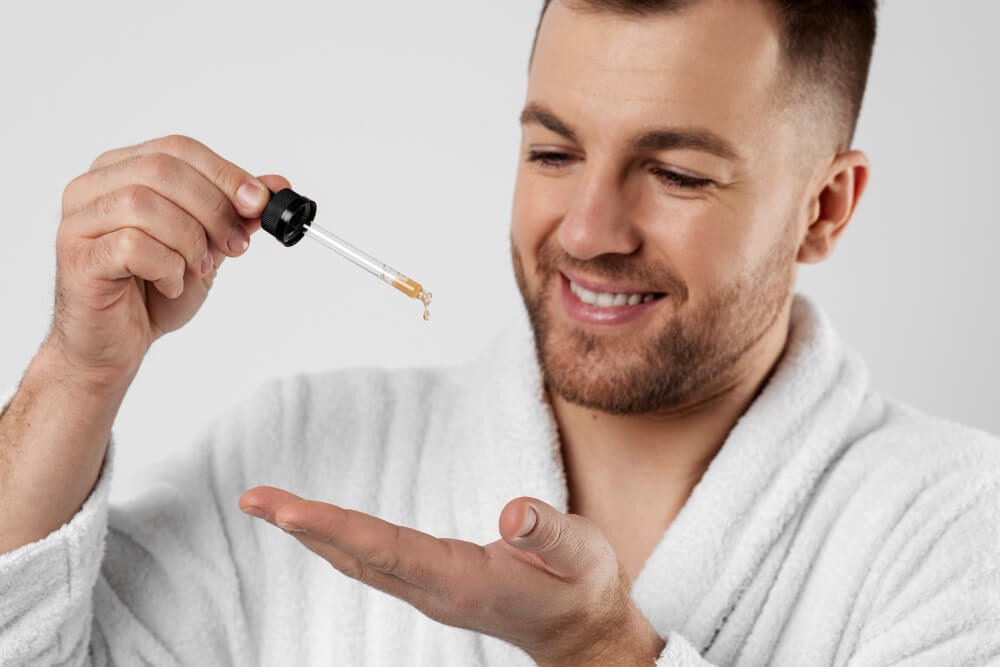
- For this easy recipe, combine 1tbsp jojoba oil with 5 drops of rosehip oil and 2 drops of tea tree oil.
- Mix it well.
- Add it to a dropper bottle.
- Apply it regularly at night.
Recipe 2 – Beard Care Treatment
- If you have an itchy beard with pimples on both sides, then this remedy is for you.
- Mix argan oil or olive oil with 4 drops of peppermint oil.
- Use it as a spot treatment beneath your beard on pimples.
- This will remove the pus-filled pimples and their marks.
Common Beard Care Mistakes To Avoid
- Most skin issues start when people apply essential oils straight, without mixing them first.
- Washing too much removes the skin’s own moisture, leaving coarse hair behind. That rough texture shows up fast when rinsing daily.
- Most issues with beards begin under the surface, not in the strands above. What lies beneath matters more than it seems.
- Using low-quality or synthetic “fragrance oils” instead of pure essential oils.
- Ignoring patch tests, especially with new oils or sensitive skin.
- Oil works poorly when applied to a beard full of dirt or leftover products, since the buildup blocks it from soaking in.
You may also like:
Conclusion
Most people think beards grow well by chance. Truth is, they need steady attention done right. Using base oils such as jojoba or argan, mixed carefully with the best essential oils for beard care,e creates an everyday method drawn from nature. This blend supports follicles while calming the face underneath. Always check how your skin reacts first, even if ingredients seem mild. Adjust amounts so it works long-term without irritation. Over time, small steps add up when matched to what your complexion truly needs. Need more information about a beard care routine using essential oils? Visit mokshalifestyle.com
FAQs
1. How to soften a beard fast?
To soften a beard fast without investing in high-end products, here are some tips to follow.
- Always trim your beard in a timely manner.
- Never skip using beard oil for beard growth and softening.
- Regular combing and brushing your beard reduces dryness.
- Use the most trusted and organic essential oils for beard softening and growth.
2. Which essential oil is best for a beard?
The best essential oils for a beard are peppermint, tea tree, rosemary, and cedarwood.