
What Are Boils?
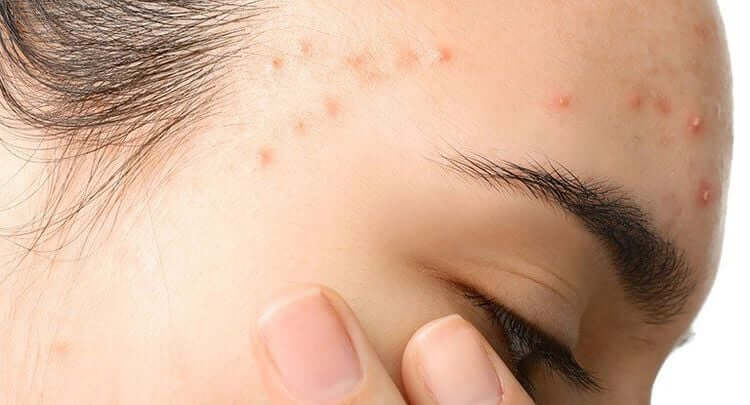
Furuncles, also known as boils, are painful, pus-filled swellings that form under the skin as a result of a bacterial infection (most often Staphylococcus aureus) affecting multiple hair follicles and causing inflammation. They usually start as small, red, tender lumps, which over time increase in size due to the presence of pus in them. Over a few days, the boil center softens and may develop a white or yellow point, indicating that it is approaching the stage of draining.
Boils may be located at any part of the body, though they mostly occur in areas that are exposed to friction, sweat, or hairy growth, like the face, neck, armpits, thighs, and buttocks. Susceptibility may be increased by poor hygiene, small amounts of skin trauma, a weakened immune system, and other underlying illnesses such as diabetes.
You may also like:
Don’t ever choose or press down a boil because the gunk can propagate to the tissue that surrounds the active infection. Boils are unpleasant and unappealing once they eventuate on the body.
What Causes Boils?
There are so many causes of boils on the thighs and boils on the skin. But is that better than examining the top ones to figure out the solution in parallel? Here are some of the major causes of boils.
- Ingrown hair strands induced by hair removal cause acute inflammatory hair follicles. Chafing can indeed cause sore hair cells, especially if you’re constantly wearing tight-fit underwear or athletic apparel with stretchy fabric.
- Anybody who shaves with a razor has at least one snip. Although if they do not become susceptible to infection, they can indeed be excruciatingly painful. When a torturous infection is added, the situation can become even worse. There seem to be methods for preventing shaving ingrown hairs.
- A boil can form once a pest sting breaks the epidermis, enabling germs to flourish and linger. Many essential oils for boils on the skin can be used to avoid and heal bites and stings.
Why Use Essential Oils For Boils?
However, essential oils can quickly overcome this. This article will concentrate on the ideal essential oils for boils. Here, visitors will gain knowledge about the little things to recognize before purchasing a premium essential oil for boil diagnosis.
Essential oils are fantastic techniques for treating boils. They perform remarkably well, largely thanks to their turbo-charged medicinal and aromatic plants.
They furthermore perform well as they can be directly applied to the boil. The therapeutic properties of essential oils are well documented. The oils are centered and aid in the healing and regeneration of the surface. Several essential oils can indeed easily attract out all the gunk in a boil, speeding the recovery process. Many natural oils have pain-relieving properties, and so when imposed on pustules, particularly with a hot squish, they can help to relieve certain types of irritation, suffering, and tenderness affiliated with boils.
If you’re searching for plant oils to cure a boil, users should understand that they perform effectively whenever the boil is found quickly.
Top 9 Essential Oils For Painful Boils—Naturally Effective
1. Lavender Essential Oil
The essential oil extracted from the Lavandula plant has become among the most commonly and extensively used. It’s a multi-functional essential oil that’s also kind to your skin. Lavender is a relaxing and anti-inflammatory herb that can help with a variety of skin conditions.
This oil is employed to heal or alleviate many different skin conditions. Lavender Essential Oil, owing to its antibacterial and antifungal qualities, is additionally employed in first aid. As a result, it helps in treating infectious diseases such as lumps.
It’s an absolute must-have in organic first-aid packs because it is antimicrobial, which implies it helps fight off infections. It’s capable of being applied topically and is employed to alleviate an array of skin disorders and discomforts, making it particularly beneficial in the treatment of boils.
2. Peppermint Essential Oil
One of the best essential oils for healing boils is peppermint oil. Since it provides a calming effect when rubbed into the skin, peppermint oil is one of the coolest essential oils for the oils on the inner thigh. This is due to the ingredient exception of the calming system, peppermint essential oil has anti-inflammatory and anesthetic qualities.
The oil does indeed have a calming and revitalizing skin sensation. Peppermint oil mixed with massage oil relieves rashes and itchiness caused by a boil. The capacity of Peppermint Essential Oil to constrain bacterial contamination makes it a good choice for boils. Aside from curing the infectious disease, it might additionally assist in avoiding recurrences same situation in the long term.
3. Lemon Essential Oil
Lemon Essential Oil, steam filtered from the Citrus limon flower, has antimicrobial, antiviral, anti-oxidative, and antiseptics qualities. These qualities safeguard your skin while also hastening the recovery process. Gentle exfoliation, bacteriostatic, antibiotic, anti-inflammatory properties, and antifungal properties of lemon essential oil are also beneficial to the epidermis.
As a result, this oil is employed to cure boils and skin problems. It is also renowned as one of the best essential oils for the oils on the inner thighs. Because of its antimicrobial effects, it restricts the infection from propagating.
The lemon essential oil has antibacterial, antispasmodic, antiseptic, and detoxifying qualities. It helps to cure eczema and boils.
It really can help remove tormented or clogged skin when mingled into a moisturizer, and its antibacterial properties can effectively cure boils and other injuries.
4. Frankincense Essential Oil
Frankincense is a traditional herbal extract. It is additionally revered in certain regions throughout the globe. It has disinfectant, pain relief, anti-inflammatory, and antimicrobial characteristics that make it beneficial for beauty products. The oil stimulates epidermis tissue regeneration, vanishing any scars left by the boils. Frankincense Essential Oil has so many medicinal benefits, which include the body’s immune upsurge and anxiety and depression relief.
With a comforting squish, frankincense essential oil is applied to boils and skin conditions. A 2016 research reveals that frankincense oil has numerous healing properties.
5. Tea Tree Essential Oil
Tea Tree Oil is well-known for its fresh, woody scent. Because of its anti-inflammatory and antimicrobial activities, it can be used as an active ingredient for boils. Tea tree oil is detoxifying and purifying, and it’s frequently employed to combat microbial, fungal, and viral infectious diseases.
Tea Tree Essential Oil is especially effective on contaminated skin. It can pacify and minimize itchiness, in addition to inflammation and redness, and it may additionally assist with treating scars.
When decided to apply on the skin directly, Tea Tree Oil induces a tingling feeling. As a result, combine the mixture with massage oil such as almond, coconut, or olive oil.
6. Eucalyptus Essential Oil
Eucalyptus essential oil has a refreshing camphor-like smell, as well as extensive antimicrobial and anti-inflammatory effects that could provide some relief in the case of painful boil management. The main component in eucalyptus oil is cineole (or eucalyptol), which prevents bacterial infection, as well as helps in the maintenance of the affected region.
Topical application of eucalyptus oil in a dilute form will produce a cooling feel upon application, which will help to alleviate pain and warm throbbing pains that can be felt upon inflammation. This cooling effect is very soothing to many people, particularly at the early stages of a boil.
Moreover, the eucalyptus oil can facilitate better circulation in the area, and this can facilitate the body’s healing naturally. The use can be made more comfortable and beneficial by combining eucalyptus with carrier oils with their antibacterial properties, such as coconut oil.
7. Clove Essential Oil
Clove essential oil is an effective natural medicine with high analgesic, antibacterial, and warming properties, which could help relieve the severe painful nature of boils. The active compound, which is eugenol, possesses natural numbing properties that can be utilized as an enhancement to the throbbing pain caused by inflamed skin.
When mixed with a carrier oil, one can apply the clove oil over the area gently to aid in cleaning it and also help alleviate the feeling of pressure. Due to its high predisposition to cause irritation to the skin, clove oil should be diluted and applied sparingly.
It is regularly added to a warm compress by many people, and helps ease its effects as well as boost circulation in the area of the boil. Antimicrobial properties also assist in deterring and maintaining the natural healing period of the skin.
8. Chamomile Essential Oil
Chamomile essential oil, be it Roman or German, is valued due to its highly sedative and anti-inflammatory effects, which is why it is the best option for the tenderness and irritation caused by painful boils. The natural calming tones it contains, like chamazulene and bisabolol, soothe reddened skin and make it less sensitive and red.
Chamomile, when used in a soft oil such as jojoba oil or almond oil, can be used to put on the boil and create a pleasant application that helps to relieve the pain usually felt under the skin. Antimicrobial effects contribute to Chamomile being mild, keeping the affected area clean, and minimizing the possibility of being further irritated or infected.
9. Lemongrass Essential Oil
Lemongrass essential oil is also taken to be a very refreshing citrus aroma with strong antimicrobial and anti-inflammatory activity, hence being a good natural choice when choosing one that helps to support comfort when approaching boils.
Lemongrass oil contains many compounds, such as citral, that inhibit bacteria, and it can help maintain the affected part of the skin clean. Properly diluted in a carrier oil, it can also assist when it comes to swelling, tenderness, and redness around the boil. The natural astringency of oil may affix the skin around, which, as may be well known, tightens and tones the skin, which some suppose to be of some use as the boil passes through its various phases. Lemongrass Oil also delivers a cool, refreshing feeling that calms sorely irritated skin, especially when used in a compress.
You may also like this:
Moksha is an established Wholesaler, manufacturer, and exporter of essential oils and other Essential oil products in India. Depending on the intended usage, it offers the most genuine essential oils of only the highest quality. They contain no chemicals, additives, or fillers. Furthermore, this does not include synthetic colors, synthetic preservatives, or synthetic fragrances. In other words, that makes them excellent for everyday use. Practically speaking, while the essential oil is 100% natural, it is prudent to use a carrier oil before applying it to the skin because of the high concentration level. We carry out several tests and quality checks to make sure only the best and the real essential oil is delivered to you.
The delivery packaging of the products also meets the exacting quality requirements to ensure oil results upon use. Not always do consumers go ahead and make payments through our portal; however, when they do so, they are satisfied with the secure payment. Get the best value for money when you purchase essential oils online from Moksha within your specifications. Castor oil can be ordered for use on the face to combat dark circles, lighten skin, boost hair growth, relieve arthritis pains, and improve digestion. Find the castor oil price per Kg and even buy this essential oil in bulk.
FAQ’s
1) How to Use Essential Oils for Boils Safely?
It is always necessary to dilute essential oils with oils to prevent irritation. Apply a mixture of a drop of facial oil with a drop of carrier oil, such as coconut oil or jojoba, into the affected area. Patch test must be performed first, broken skin should be avoided, and use should not be continued in case of redness or burning.
2) DIY Essential Oil Blends for Faster Healing?
One basic has tea tree, lavender, and frankincense thinned in coconut oil to use as an antimicrobial and calming agent. Use two or three times a day. The next alternative is peppermint with chamomile to soothe. Health: Be careful to always dilute and never put strong oils like oregano oil on sensitive skin without much dilution.
3) When Should You See a Doctor for a Boil?
When the boil expands fast, is very painful, or fails to improve after one week, consult a doctor. See a doctor also in case of the development of fever, red streaks, multiple boils, or consistent infections. This is because the essential oils can only aid in the treatment regimes, but the severe or spreading symptoms need professional treatment.