
10 Essential Oils For Thriving Indoor Plants
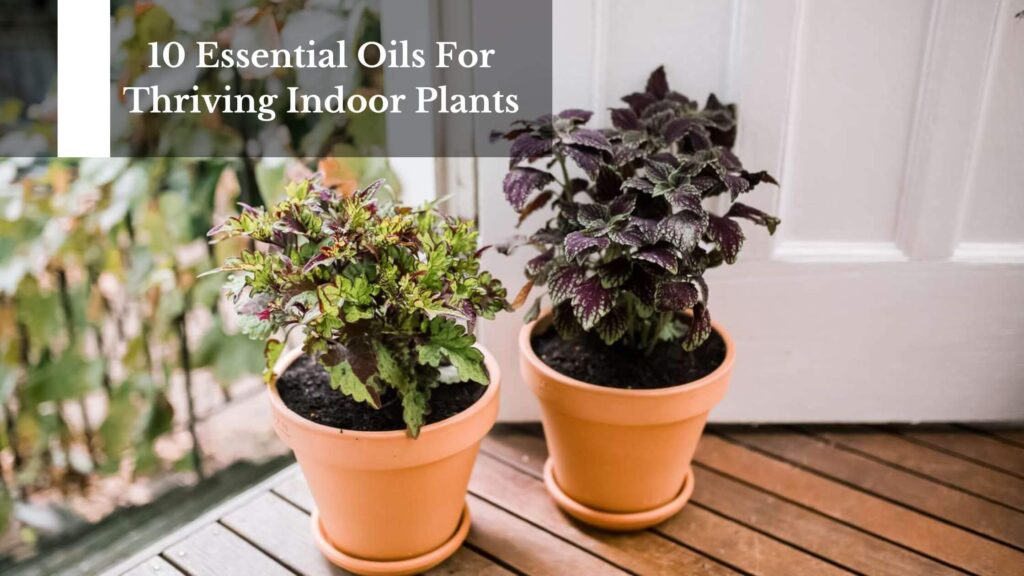
Are Essential Oils Safe For Plants? A natural and efficient approach to improve the vigor and condition of your indoor plants is using essential oils. Their capacity to function as organic insect repellents is among their main advantages. Repel strong-smelling pests from popular indoor plants, such as aphids, spider mites, and fungus gnats, without using strong chemical pesticides. Furthermore, by providing an unfavorable atmosphere for these problems, essential oils help avoid fungal infections and mold development, therefore supporting better soil and roots. Essential Oils also add a lovely smell to your indoor garden area, which makes it a more pleasant and fresh place for you and your plants. Essential oils give a whole approach to indoor plant care when used properly: they help plants grow, stop them from getting sick, and make your indoor garden look alive and beautiful. Why Use Essential Oils For Indoor Plants? Extracted from different plants, essential oils are well-known not just for their scent qualities but also for their amazing ability to improve the growth of indoor plants. Used properly, vital oils can be natural partners in helping plants to be alive and healthy. One of the main ways they help plants is by means of their antibacterial and antifungal capabilities. Many important oils, including tea tree, eucalyptus, and lavender, fight against typical plant diseases including mold, mildew, and root rot. You may also like: These oils help your plants grow in a better environment by lowering the number of dangerous bacteria. Furthermore, when properly diluted and administered with caution, certain essential oils can boost plant development by increasing nutrient uptake and enhancing soil quality. It’s important to keep in mind that a diluted form of essential oils should always be used and carefully applied to prevent any negative reactions on delicate plants. 10 Best Essential Oils For Thriving Indoor Plants 1. Lavender Essential Oil Lavender essential oil has many uses that can help keep your plants healthy and colorful, which is very important for growing plants indoors. Its organic antibacterial and antifungal qualities, which guard your plants against common illnesses and pests like mold, mildew, and hazardous insects, are among its main advantages. 2. Peppermint Essential Oil Renowned for its robust, minty scent, peppermint essential oil not only makes your indoor garden smell good but also functions as an organic pest repellent. Many common plant pests, including aphids, spider mites, and ants, stay away because they don’t like the smell of peppermint oil. This helps to keep the plants healthy. To maintain the health and growth of your plants free from dangerous chemicals. Apart from its pest-repellent qualities, peppermint essential oil applied in a homemade spray helps to improve air circulation around your plants, hence lowering the possibility of fungal infection and illness. 3. Tea Tree Essential Oil Tea Tree Essential Oil is frequently used in plant care as a natural fungicide. For a mild spray that can be used, just combine a few drops of Tea Tree Essential Oil with water and a little liquid soap. Used on soil and leaves to stop fungus from growing. Tea Tree Essential Oil’s insect-repelling properties not only help shield your plants but also deter aphids and spider mites. Furthermore, most indoor plants are safe with Tea Tree Essential Oil in moderation, so it’s a favorite natural cure for gardeners trying to lower chemical use. 4. Clove Essential Oil Clove oil is famous for its strong ability to kill germs and fungi. It can help keep plants safe from diseases and pests that often cause problems for indoor gardens. It acts as a natural insect repellent when used correctly and diluted. It keeps aphids, spider mites, and other harmful insects away from your plants without the need for harsh chemicals. Furthermore, the pungent fragrance of clove oil neutralizes smells and establishes a cool, stimulating atmosphere that helps to enhance the air quality around your plants. Renowned for its cooling, clean fragrance, eucalyptus oil keeps your house smelling fresh in addition to providing many advantages for your plants. Its main feature is its natural antifungal and antibacterial qualities, which can guard your plants from typical illnesses and insects. Eucalyptus oil can be a mild insect repellent when sprayed and diluted correctly. It keeps your plants free of spider mites and aphids. Plants growing free from harsh chemicals. 5. Rosemary Essential Oil Rosemary essential oil works as a natural pest repellent when included in your plant care regimen, therefore assisting in warding off pests. Common indoor plant pests, including aphids and spider mites, without the use of harsh chemicals. Rosemary oil can encourage stronger growth by stimulating the plant’s inherent defenses, therefore increasing their resistance to stress and environmental changes in addition to pest control. Its energizing aroma also makes it a great enhancement to any homemade plant spray, therefore fostering a nice mood in your house while also caring for your plants. 6. Lemon Essential Oil Extracted from the peel of lemons, lemon essential oil has naturally antibacterial and antifungal qualities that assist in keeping your plants. Healthy by fending against dangerous bugs and diseases. Lemon oil used in a diluted do-it-yourself spray can softly clean your plant leaves, getting rid of grime and dust that can block sunlight and slow down photosynthesis. This not only enhances the general look of your plants but also increases their capacity for indoor growth. Furthermore, the crisp citrus fragrance of lemon oil can help to establish a revitalizing mood in your house, therefore improving your interior garden experience. 7. Cinnamon Essential Oil Cinnamon oil is a great natural fungicide and antibacterial that can keep plants safe from common fungal diseases and dangerous pests that often infest indoor environments. It forms a barrier that protects leaves and stems from mold and mildew by stopping them from spreading. This makes sure that the leaves and stems are healthier. Cinnamon oil also promotes healthy microbes, which in turn improve soil quality and boost nutrient absorption and general plant health by stimulating root growth.