
Tea Tree Oil For Skin Tags: Does It Work?

What Are Skin Tags And Why Do They Form? Skin tags are benign, small, pendulous growths that dangle off the flesh. They usually form at points where the skin creases or rubs together, such as the neck, armpits, eyelids, groin, and beneath the breasts. Acrochordons are medically referred to as acrochordons and are also composed of loose collagen fibers and blood vessels, and are all enclosed by skin. Skin tags tend to be non-painful and harmless; however, they might be irritated by clothes and other wear. Skin tags have no concrete cause that has been well explained. Still, it is widely believed to be brought about by friction, obesity, insulin resistance, and hormonal fluctuations, particularly in pregnancy. It could also be related to genetics, since it is genetic in most cases. Moreover, individuals who have the predispositions of disease, such as type 2 diabetes,s are more likely to develop them. What Is Tea Tree Oil? Why Is Tea Tree Oil Used For Skin Concerns? The demand for tea tree oil in relation to the skin is high due to its strong antimicrobial and anti-inflammatory effects that can be applied to solve numerous widespread problems. It is an extract of a plant, specifically Melaleuca alternifolia, which proves effective especially in the case of acne because it lowers bacteria that result in the breakout, and alleviates swelling and redness with the use of the product. It also aids in managing the excess oil production, hence suitable for the types of skin which include the oily and combination type. You may also like: Moreover, tea tree oil can slow down minor cases of skin irritation, cuts, insect bites, and such skin conditions as dandruff or minor cases of fungus. Its antiseptic properties are also natural, hence the healing is faster, and the infection is, by no means. Since it is a concentrated essential oil, it must be continuously mixed with a carrier oil and, therefore, should not be applied without a carrier oil, as this will irritate. Potential Benefits Of Tea Tree Oil For Skin Tags 1. Antimicrobial Protection The tea tree oil is obtained from the Melaleuca alternifolia plant, whose antimicrobial properties are highly recognized. On their use on the skin tags, it can assist the skin tag area to be free from bacteria, fungus, and other microbes that will cause irritation or contraction. Even though a skin tag is not harmful, it may get irritated in case of friction caused by clothing or jewelry. 2. Anti-Inflammatory Effects The natural anti-inflammatory effect of tea tree oil is one of the most important advantages of this compound. It could be used to treat skin tags in order to relieve redness, swelling, or pain, particularly when the tag gets irritated. Such an effect of tranquility may soften the area and make it more welcoming. 3. Drying Effect The natural drying effect of tea tree oil is thought to cause people to shrink the skin tags after a long period of time, in the hope that they are trying to remove the skin tags. When used regularly and in an appropriate dilution, it can eventually remove the amount of moisture in the tissue, hence it can end up drying up the tag. 4. Antioxidant Properties The compounds that are present in tea tree oil possess antioxidant properties, which protect the skin against environmental stresses and damage from free radicals. It can be used to treat the skin tags in certain areas,s and it could help keep the surrounding tissues intact, thereby helping to sustain the integrity of the skin. 5. Natural Remedy A lot of individuals choose tea tree oil as a natural remedy to chemical-based solutions to small issues with skin. It is popular among individuals who want easy-to-use and at-home-type care due to its significant popularity and vegetable origin. When it is kept responsible, one can integrate it into a skincare routine and not have to undergo any medical treatments. 6. Keeps The Skin Clean Skin tags are another issue that tea tree oil can be applied to help keep the area or skin clean and impurity-free. It contains cleansing powers that will help to eliminate the overproduction of oil as well as alleviate the accumulation of dirt and bacteria around the region. It comes particularly in handy in areas where skin tags are found, usually on the neck or in the armpits, which are prone to sweat and friction. 7. Well-Being Of The Skin Furthermore, tea tree oil helps with the well-being of the skin in general. Its combination of antifungal, antibacterial, and calming effects can keep the skin in a balanced but healthier condition. Applied appropriately to the skin in regions of skin tags, it can possibly bring some degree of improvement to the skin in the immediate surroundings, such that it becomes less prone to irritation or infection. You may also like: Moksha is an established Wholesaler, manufacturer, and exporter of essential oils and other Essential oil products in India. Depending on the intended usage, it offers the most genuine essential oils of only the highest quality. They contain no chemicals, additives, or fillers. Furthermore, this does not include synthetic colors, synthetic preservatives, or synthetic fragrances. In other words, that makes them excellent for everyday use. Practically speaking, while the essential oil is 100% natural, it is prudent to use a carrier oil before applying it to the skin because of the high concentration level. We carry out several tests and quality checks to make sure only the best and the real essential oil is delivered to you. The delivery packaging of the products also meets the exacting quality requirements to ensure optimal results upon use. Not always do consumers go ahead and make payments through our portal; however, when they do so, they are satisfied with the secure payment. Get the best value for money when you purchase essential oils online from Moksha within your specifications. Castor oil can be ordered for use on the face to combat
Top 11 Essential Oils For PCOS Acne Relief Naturally
What Is PCOS Acne And Why Does It Happen? Polycystic Ovary Syndrome (PCOS) acne refers to a type of persistent and/or more severe acne caused by hormonal imbalances. It occurs when excessive sebum production is triggered by the oil glands in the skin due to high levels of androgens, male hormones found in both men and women. This slick condition, with the blocked pores and bacteria, causes breakouts, particularly in the lower face, jaw, chest, and back. COS acne is usually deeper and cystic and might not respond to standard treatments, unlike normal Acne. This is mostly caused by insulin resistance, thus exacerbated hormonal changes and augmented androgen production. Can Essential Oils Help With PCOS Acne? Important Note: Natural Support vs Medical Treatment In the case of Polycystic Ovary Syndrome and associated Acne, natural support versus medical treatment is of importance. Symptoms can be brought down with the help of natural remedies like a change in diet, stress reduction, and the soft use of skin products, which improve the overall skin condition. You may also like: But, they do not substitute medical attention, particularly in situations of chronic or severe hormonal imbalance. The root causes may have to be properly addressed with medical treatments, fulfilling them with prescribed medications and hormonal therapy. Trusting natural-only strategies can tend to slow down the intake of the right treatment and extend symptoms. Top 11 Essential Oils For PCOS Acne Relief Naturally 1. Tea Tree Essential Oil The tea tree essential oil is among the most marketed antidotes for treating acne associated with Polycystic Ovary Syndrome. It is famous as an antibacterial and anti-inflammatory, and can be used to reduce the active bacteria that cause acne, as well as redness. It can be used as a spot treatment when diluted in a carrier oil. 2. Lavender Essential Oil Lavender essential oil is appreciated for being beneficial for everyone and the skin. It aids in curing inflammation, redness, and acne. It is also mildly antibacterial, thus it can be applied to sensitive skin. Also, lavender oil can be used to minimize stress, which, in turn, indirectly contributes to improved hormonal balance and the health of the skin. 3. Rosemary Essential Oil Rosemary essential oil has been reported to normalize the production of oil in the body as well as stimulate good circulation. In individuals with acne that is caused by hormones, it may be used to alleviate excess sebum that causes a clog in the pore. Its antimicrobial functions also help to prevent breakouts. 4. Clary Sage Essential Oil Clary sage essential oil has been linked to the hormone regulation effect and might be used to balance excess androgen effect,t which leads to acne. It is also antibacterial and assists in keeping the skin clean, and decreases breakouts. It can also be used to treat acne symptoms caused by hormones, so it can be useful as a part of a regimen of treating inflamed skin. 5. Geranium Essential Oil Geranium essential oil will help in regulating the period of natural oil production in the skin. It assists in the constriction of the pores, decreases excess sebum, and enhances the overall skin texture. It has anti-inflammatory and antimicrobial effects and can be used to alleviate the severity of acne. 6. Frankincense Essential Oil Frankincense essential oil has been known to be skin-rejuvenating. It aids in the elimination of inflammation, healing, and reduces the emergence of acne scars. It has astringent effects and can constrict skin,n making it tight and the pores smaller. In people with ongoing acne, it can aid in the appearance of less acne, which is even-skinned when persistently applied. 7. Lemon Essential Oil Lemon essential oil is a natural astringent that helps brighten the skin. It is capable of decreasing the surplus oil and clogging of pores that are typical causes of acne. Given its antibacterial action, it also aids in the fight against acne-causing bacteria. 8. Peppermint Essential Oil Peppermint essential oil gives out a cooling effect that can heal the infected and irritated skin. It possesses antimicrobial effects, which aid in decreasing the number of bacteria that cause acne. Also, it could be used to curb the excessive production of oil. 9. Eucalyptus Essential Oil Eucalyptus essential oil has been known to have antibacterial and anti-inflammatory properties. It assists in washing the skin and alleviates redness and clogged pores. It can also be used to heal sore skin because of its refreshing qualities. 10. Chamomile Essential Oil Chamomile essential oil is a valuable treatment for a sensitive,e irritated wound. It decreases the redness, itchiness, and swelling due to acne. It is very calming and is therefore effective in treating painful breakouts. It could be used regularly and could help in alleviating the skin and also lessen the occurrence of acne with time. 11. Thyme Essential Oil Thyme essential oil possesses high antibacterial properties, such that it can combat bacteria causing acne. It can minimize breakouts and enable more clean skin with proper use. It is very potent, such that before its application, it should be diluted. Properly used thyme oil may prove to be an effective natural supplement in an acne care regimen. You may also like: Moksha is an established Wholesaler, manufacturer, and exporter of essential oils and other Essential oil products in India. Depending on the intended usage, it offers the most genuine essential oils of only the highest quality. They contain no chemicals, additives, or fillers. Furthermore, this does not include synthetic colors, synthetic preservatives, or synthetic fragrances. In other words, that makes them excellent for everyday use. Practically speaking, while the essential oil is 100% natural, it is prudent to use a carrier oil before applying it to the skin because of the high concentration level. We carry out several tests and quality checks to make sure only the best and the real essential oil is delivered to you. The delivery packaging of the products also meets the exacting quality requirements to ensure optimal results upon
Top 11 Essential Oils To Detox Chlorine Naturally
Why Can Chlorine Exposure Affect Skin And Hair? Human contact with chlorine can have an impact on skin and hair, as the chemical is a strong disinfectant with a high oxidizing ability that disrupts natural protective layers. On the skin, chlorine eliminates vital oils (sebum) that are important in protecting the skin by keeping it moist and acting as a barrier, causing the skin to become dry, irritated, and more sensitive. This is occasionally an exacerbation of such ailments as eczema or overall skin irritation. When combined with chlorine in the hair, it reacts with the hair protein structure, especially the keratin, weakening the hair and thus becoming brittle and easily broken. It also removes natural oils, making hair dull, rough, and hard to handle. You may also like: Moreover, the chlorine can react with trace metals such as copper in water, which will make it turn greenish, particularly in light-colored hair. These effects may be progressive with repeated exposure, like frequent swimming and rinsing, conditioning, and protective care, which can allow a person to have healthy skin and hair. Can Essential Oils Help With Chlorine Detox? Important Note: What “Detox” Really Means The only significant point regarding the term detox is that in the context of science and the medical field, the body already has mechanisms that are rather efficient in eliminating undesired substances. The chemicals, including minor exposure to chlorine, are filtered and processed continuously by organs such as the liver and kidneys without using special products and treatment. Detox is a loosely applied term in wellness marketing to refer to the cleaning processes; however, it does not reflect the functioning of the body. In the case of external exposure, however, like chlorine on the skin or hair, mere measures like cleansing with clean water, applying weak cleansers, and moisturizing are often enough. Detoxification is an internal process that is natural and continuous; it cannot be dramatically accelerated using essential oils, drinks, or supplements. Top 11 Essential Oils To Detox Chlorine Naturally 1. Lavender Essential Oil Lavender essential oil is often used to soothe the skin affected by chlorine. It can’t detoxify the body of chlorine, but it may assist with irritation, dryness, or redness resulting from exposure to chlorine. It’s non-sensitising and safe to use on sensitive skin. 2. Tea Tree Essential Oil Solvent and antibacterial tea tree essential oils are effective for chlorinated skin. It may help to keep skin and hair clean and aid with build-up and irritation. It can’t help to detoxify your body from chlorine,ne but it can help to repair skin and decrease irritation. 3. Eucalyptus Essential Oil The cooling effect can help promote skin and scalp revitalisation with a cooling sensation. Its purifying qualities may remove bad smell from the skin, if present, giving it a refreshed smell. Eucalyptus essential oil is not a detoxifier, but can enhance skin comfort when used as a super-dilution in showering and bathing. Its menthol smell also promotes feelings of calmness and well-being, which can provide some relaxation after swimming. 4. Peppermint Essential Oil Peppermint essential oil is cooling and can be used to soothe any chlorine irritation. It can also be astringent on the scalp and refreshing in the shower. This won’t remove chlorine, but it will make it more comfortable and give the feeling of freshness. 5. Lemon Essential Oil Lemon essential oil can be used for cleaning because of its smell and astringent properties. It can eliminate chlorine smell and make the hair and skin feel fresh. But it does not affect the removal of chlorine. Best to use carefully as it can cause photosensitivity. It may be a relaxing and soothing addition to the shower when diluted. 6. Rosemary Essential Oil Rosemary oil can be beneficial for scalp stimulation and improves the quality of hair after exposure to chlorine. It can help to strengthen hair and reduce chlorine drying. It’s not a detoxifier, but it is helpful for hair rejuvenation and shine. It can be blended with oils for moisturising the head and adding nutrients to hair, helping repair damaged hair, particularly for swimming in chlorinated water. 7. Chamomile Essential Oil Chamomile essential oils are calming and anti-inflammatory, ideal to relieve itchy skin. It could potentially relieve flushing, itchy, or hypoallergenic skin. It doesn’t strip away razor chlorine, but it does help to heal it. If mixed correctly and used carefully, it can be used to help rehydrate and re-comfort, losing support as a post-chlorine treatment. 8. Geranium Essential Oil Geranium essential oil can be used to rebalance and moisturise skin after exposure to drying things like chlorine. It may enhance the sbarrierrrrie and provide softness mixed with a carrier oil. Although it can’t detoxify chlorine, it does promote healthy skin. 9. Frankincense Essential Oil Frankincense oil is said to be supportive of skin regeneration and may help to improve the look of dry, chlorine-damaged skin. It potentially promotes healing and relaxation. It isn’t a detoxifier, but promotes healthy vibrant skin. 10. Sandalwood Essential Oil Sandalwood essential oil has calming and hydrating properties w,, which means it can be used to calm your skin after being exposed to chlorine. It has anti-dry, anti-irritant, and moisturising properties. While it does not help our bodies (or skin) rid themselves of chlorine, it helps restore well-being to our skin and adds comfort. 11. Clary Sage Essential Oil Clary sage essential oil is frequently used to help normalise sebum (oil) flow and to help remediate toxic chemical damage, such as from chlorine. It might help calm irritation and improve skin complexion. It promotes good skin and scalp health but does not “detox”. Diluted in a carrier oil, it can be used to help with comfort and moisture after showering or swimming. You may also like: Moksha is an established Wholesaler, manufacturer, and exporter of essential oils and other Essential oil products in India. Depending on the intended usage, it offers the most genuine essential oils of only the highest quality. They contain no chemicals,
Terpenes In Essential Oils: Benefits & Effects Explained
What Are Terpenes? The terpenes (aromatic compounds) that are produced in nature have been found in many plants (mostly herbs, fruits, and trees) and confer a specific smell and taste. It is they that cause the pine to emit its fresh odour, the oranges to emit their citrus odour, and the lavender to emit its calming odour. Also of importance in the biology of plants are terpenes, in addition to their sensory qualities; they help plants attract pollinators and repel predators. In recent years, they have come into the limelight due to the possible health benefits of the terpenes, which are speculated to have anti-inflammatory, antioxidant, and relaxing properties. The terpenes are also consumed as essential oils and perfumes, among others, and also play a crucial role in cosmetics and flavors in food. How Terpenes Work In Essential Oils? Essential oils and terpenes have physiological and psychological effects that are shown through a variety of activities with the body through inhalation and skin absorption. By this route, when breathed in, the terpene molecules follow their way up the nose to the olfactory system, which transmits the signal to the limbic system, a section in the brain that controls emotions, memory, and mood. You may also like: That is why some essential oils may be helpful to relax, concentrate on, or become energized. Topically used terpenes can penetrate the skin and have local action, such as decreased inflammatory response or pain in muscles. Various terpenes vary in their characteristics: some of them relax, others are mood-enhancing or antimicrobial. They are the compounds that are likely to synergize with other natural parts that are contained in the essential oils, making them more effective. Common Terpenes Found In Essential Oils Out of the terpenes that usually form a constituent of essential oils, the terpenes add value to the aroma, medicinal, and therapeutic properties. One of the most famous terpenes is limonene, which is largely found in citrus oils, e.g., orange and lemon, and gives a fresh and exhilarating aroma and may enhance a good mood and reduce stress. Another potent terpene is Linalool, which is contained in the oil of lavender and is a calming and a relaxant; therefore, it may help to fall asleep and/or release anxiety. Pinene, an element in pine and rosemary oils, is a cool forest scent, which is believed to support the breathing system and alertness in movement. It also contains a lot of eucalyptus oil and is regarded as pleasant as well, as it soothes the body, and can even cause congestion and breathing difficulty. Moreover, myrcene, which is an element of such oils as thyme and lemongrass, can be associated with the calming and anti-inflammatory properties. Key Benefits Of Terpenes In Essential Oils 1. Stress Relief The Essential oils have been known to contain terpenes, which are relaxation and stress relievers. The possible mechanism through which linalol in lavender oil reacts with the limbic system in the brain to create the relaxational effects is indirect. Because of this, it is possible to use essential oils to reduce anxiety levels, improve mental state, and sleep more effectively using them in aromatherapy. 2. Anti-inflammatory The second important effect of the terpenes is that they can potentially have an anti-inflammatory effect. The terpenes, which contain myrcene and beta-caryophyllene, may help to reduce the inflammation in the body when it gets absorbed into the skin or when it is inhaled. This will enable them to apply the oils in massage therapy and topically to treat sore muscles, joint pains, and minor aches. Their instinctive response is the natural substitute to man-made medicine, which leads to these people being less worried about themselves and their bodies, and the threat of the undesirable side effects, which often coincides with the use of chemicals, is negligible. 3. Anti-bacterial cleaning Terpenes are also antimicrobial and antibacterial deterrents that assist in avoiding contact with pathogenic microorganisms. Terpenes such as tea tree oil are important aids in cleansing and purification and are found in essential oils. These could be applied on the skin in the diluted state or incorporated into a cleaning solution to help in eliminating bacteria and fungi. 4. Respiratory Properties Terpenes possess numerous respiratory properties, but the most common are the terpenes in eucalyptus oil and pine oil. Such substances as eucalyptol would come in handy in clearing airways, relieving congestion, and causing easier breathing. These terpenes can be inhaled in steam or diffusers to relieve cold effects, pressure in the sinuses, and seasonal allergies. 5. Mental clarity Terpenes can also enhance focus and mental clarity; therefore, they can be utilized to enhance productivity and focus. In some cases, as an illustration, the terpenes include pinene, which is believed to enhance alertness and memory. They can be used to stimulate the mind when there are essential oils such as rosemary and ease the mind’s wear and tear. This has rendered them the most appropriate when they are studying, working, or performing creative tasks since this is a natural means of improving their cognitive functioning without the use of stimulants. 6. Soothing Properties And finally, terpenes have been used as a way to promote the health of the skin through their ability to inhibit oxidants and calm the skin. They can help to avoid damage to the environment on the skin, reduce irritation, and help with recovery. Essential oils containing terpenes are popularly used in skincare regimens to improve a complexion as well as maintain healthy skin. You may also like: Moksha is an established Wholesaler, manufacturer, and exporter of essential oils and other Essential oil products in India. Depending on the intended usage, it offers the most genuine essential oils of only the highest quality. They contain no chemicals, additives, or fillers. Furthermore, this does not include synthetic colors, synthetic preservatives, or synthetic fragrances. In other words, that makes them excellent for everyday use. Practically speaking, while the essential oil is 100% natural, it is prudent to use a carrier oil before
Citronella Oil Benefits For Rapid Hair Growth

Introduction: The Natural Path To Faster Hair Growth We’ve all been there when detangling hair leaves many strands left, right, and center. This is intended for massive hair fall, especially when you run your fingers through the scalp. If that is what happens to you, along with many other women, then you are not alone. This has been the story of every girl out there who is frustrated seeing the loop of never-ending hairfall. So, what’s the solution? Say no to chemicals and go natural. Do not take another chemical-based treatment to hydrate your hair and simply switch to essential oils with antioxidants or hydration. You just need a natural way for faster hair growth with citronella oil. Citronella essential oil for hair growth has been a revolutionary ingredient that not many people know about. The essential oil is a powerhouse of key compounds that nurture your tresses, improve circulation, and revitalize hair follicles. Additionally, citronella oil for hair growth is a tried and tested remedy. It works on the cellular level and increases hair growth, density, and restores the natural texture of your locks. What Is Citronella Oil? Citronella essential oil is a highly potent and aromatic essential oil extracted from the stems and leaves of the citronella plant. The plant is mainly grown in areas like Sri Lanka, Asia, and Java. Known for its anti-inflammatory, herbal citrus aroma, the pale yellow essential oil has been used for years in the wellness space. You may also like: You might have heard of citronella essential oil as a warm, citrusy fragrance. It is also a highly antibacterial and anti-inflammatory essential oil. However, it has endless uses that make it an effective choice in your hair care routine. Let’s see how citronella oil supports hair growth and keeps your tresses looking healthy and voluminous. How Citronella Oil Supports Hair Growth? Hair growth is not an overnight process. You just apply citronella oil for a night, and boom, everything changes the next morning. That is never going to be the case. However, citronella oil works for a long period of time. It primarily offers nutrients to your scalp, maintains its health, and revitalizes the follicles. It works in three stages, so let’s see how it goes. Key Benefits Of Citronella Oil For Hair Hair growth is not only about how long your hair is. It is more for your scalp and hair health, along with the density and texture improvements. Here is how citronella oil works wonders for your hair. A. No more hair breakage or hair fall Hair fall triggers are due to two main reasons. One is the weak and unhealthy roots, and the other is fragile hair ends. When both of these combine, it leads to intense hair fall and frequent breakage. Thankfully, citronella essential oil for hair growth helps with thicker and fuller hair over a period of time. B. Say Goodbye to dry and damaged hair A dry scalp can be uncomfortable, especially during winter, as it creates tiny white flakes that keep falling now and then. It further blocks hair growth and leads to damaged hair. The reasons for damaged and dry hair are also the chemical treatments, frequent heat styling, and environmental pollutants. Citronella oil provides a shield on your scalp and hair and protects it from dryness. It naturally hydrates the hair and promotes hair development regularly. C. Healthy scalp = Improved Hair Growth If you have a healthy scalp, you’ll see amazing hair growth over a period of time. Your scalp is furnished with millions and trillions of microorganisms. When these are mixed with bacteria or fungi, it triggers hair fall, itchy scalp, flakiness, and inflammation. Citronella essential oil is a power-packed oil that has anti-microbial and anti-inflammatory properties. It balances the pH level of your scalp, tackles the germs, and nurtures healthy microbiomes for hair growth. D. Naturally soft and shiny hair Your hair’s appearance decides its moisture level and scalp health. If the hair looks dull, dehydrated, and brittle, it might not be in its best state. Well, citronella oil nurtures it like a PRO. It delivers ultimate shine and softness to the hair, making it more manageable and naturally shiny. E. Scalp Relaxation and rejuvenation Your scalp health decides if you have a good hair growth pattern or not. Well, bad hair growth also depends on high stress levels and your gut health. All of these factors might trigger hair loss in the long run. Citronella oil turns into a miraculous remedy for your scalp as it promotes relaxation and brings down stress levels. Just use the essential oil and include it in your oiling routine with a carrier oil for a relaxing massage session. It works in two ways. The relaxing massage reduces stress that ultimately reduces hair fall. The benefit of oiling and massage also rejuvenates the hair follicles and improves scalp health for better hair growth. Best Carrier Oils To Mix With Citronella Oil Essential oils are pure plant extracts, so they are very strong and concentrated in nature. For safety measures and to avoid skin irritation, it is advised to use essential oils with carrier oils. Here are some carrier oils for hair growth that blend well with citronella oil. All of these carrier oils are deeply nourishing for the scalp and hair strands. When combined with citronella oil for hair growth, it becomes a lightweight, antioxidant-rich hair growth oil for dry and frizzy hair. DIY Citronella Hair Growth Recipes It’s time to make your own hair mask at home to get the most out of the citronella essential oil. Recipe 1 – Scalp Revitalizing Hair Serum Recipe 2 – Citronella Oil Hair Mask How Often Should You Use It? Precautions & Safety Tips You may also like: Conclusion: Grow Healthier Hair The Natural Way The path to hair growth isn’t an easy one. It requires constant effort, discipline, a hair care routine, and no unrealistic expectations from the products. All of this comes from
Rosemary vs Onion Oil: Which Grows Hair Faster?

Introduction: The Hair Growth Dilemma The endless fight with hair fall is quite frustrating in the long run. While people usually show off their voluminous tresses, you are stressed with your constant hair fall and breakage. Even after trying all the solutions, it feels like nothing works. Well, in that case, it’s better to go natural and kick off the hair growth dilemma. Use the best carrier oils and essential oils for hair growth, and the results will blow your mind. Wait, how? We are here to guide you about the two most controversial hair oils for hair growth. Both of these hair oils are known for their hair growth properties, but here’s the catch. There are a lot of differences between the two natural remedies for hair growth, and that’s what makes them different from each other. The hair growth dilemma is about to buzz as we reveal the major differences between rosemary oil and onion oil for hair growth. (The guide clears the doubts between the two oils by comparing their key differences based on the effectiveness, usage, and primary benefits.) What Is Rosemary Oil? Talking about rosemary oil, it is an essential oil that is derived via the steam distillation method from the herbal leaves of the rosemary plant. Rosemary, botanically known as Rosmarinus officinalis, is a herbaceous, woody, and fresh plant that has been used for years in hair care, skincare, and the medicinal sector. Additionally, pure rosemary essential oil is highly concentrated and is rich in key compounds like rosmarinic acid, carnosic acid, cineole, and pinene. All of these activities present in rosemary essential oil make it highly anti-inflammatory, anti-fungal, and antibacterial. (Unknown Facts: Did you know rosemary essential oil was also used by our ancestors to make medicines that promote circulation, improve hair health, and balance your cognitive abilities?) What Is Onion Oil? The other side of the hair growth dilemma is onion oil, which is a power-packed carrier oil formula extracted from onions. The rich carrier oil is typically high in antioxidants, nutrients, and sulphur, which is known to promote hair density and growth. You may also like: Onion oil is not an essential oil, which means it is less concentrated. But it has other noteworthy compounds that make it very effective for hair growth. Not only this, but onion oil is a dense formula rich in nutrients and a pungent smell that makes it an effective remedy for hair thickness and density. (Unknown Facts: Did you know onion oil has a high content of sulfur in it? It magically improves your hair growth cycle, tackles premature greying, and hair loss to a great extent) How Rosemary Oil Helps Hair Growth? As mentioned above, rosemary oil is an essential oil, and therefore, it works in several ways for hair growth. Here’s the science bixby behind the efficacy of rosemary essential oil. A. Protects your hair Research has found that rosemary essential oil naturally protects your hair as it is rich in antioxidants. These potent antioxidants tackle the free radical damage to the hair follicles that can further lead to hair loss. B. No more inflamed scalp If your scalp is itchy and inflamed, it might turn into a silent killer for healthy and strong hair. Thankfully, not anymore. Pure rosemary essential oil for hair growth is a tried and tested remedy that eliminates various scalp infections. It keeps scalp irritation, inflammation, seborrheic dermatitis, and folliculitis at bay. C. Blocks DHT hormone The DHT hormone is mainly responsible for baldness and hair thinning. However, rosemary essential oil does a great job of targeting DHT hormones. It regulates and blocks it so that hair fall is controlled. D. Promotes hair growth If there is one essential oil that you need in your hair care routine to promote hair growth and scalp circulation, it is rosemary oil. Using rosemary oil with the top carrier oils for hair growth helps to improve the chances of new hair by 4x. How Does Onion Oil Help Hair Growth? The hair growth dilemma doesn’t end with the benefits of rosemary oil. Everyone wants to know about the holy grail onion oil that is very hyped on the internet these days. Here is how onion oil works for hair growth. A. Rich in nutrients that hydrate Have you ever wondered how onion oil promotes hair growth, and at the same time nourishes your hair for that soft and glossy finish? Well, the magic lies in the dense nutrients present in onion oil. These nutrients include calcium, magnesium, phosphorus, and zinc, which promote hair strength and improve hydration without any side effects. B. Promotes blood circulation Have you ever wondered what triggers hair growth from your scalp? It’s the high level of blood circulation, which is only possible when you use a high-quality scalp stimulating oil. Onion oil naturally enhances the blood circulation in the scalp that revitalises the hair follicles to nurture them with nutrients, vitamins, and oxygen. C. Rich in anti-inflammatory and anti-fungal properties Another reason why you should use onion oil for hair growth is its potent anti-fungal and anti-inflammatory properties. Both of these qualities block scalp infection and the overgrowth of bacteria and fungi. When the scalp is clean, it feeds your hair with powerful nutrients, keratin, and vitamins for hair growth. D. Packed with sulfur for hair growth One of the powerful actives present in onion oil is sulfur. This compound magically transforms the hair growth and treats hair loss at a success rate within two weeks. Rosemary Oil vs Onion Oil: Key Differences 1. Primary Benefits 2. Aromatic Profile 3. Time for Results 4. Ideal for 5. Potency Ratio Which Oil Works Faster For Hair Growth? Both oils are great at their work. But when we talk about fast results for hair growth, onion oil takes the lead. The nutrient-rich oil supports hair growth and keratin production in the hair that naturally repairs and strengthens the tresses. However, if you feel onion oil might be
Organic vs Non-Organic Essential Oils: Is It Worth It?
What Are Organic Essential Oils? The organic essential oils are pure extracts of plants, obtained through either steam distillation or cold pressing, using flowers, roots, leaves, bark, or a combination of these as raw materials. These materials must be grown without the use of synthetic pesticides, herbicides, or genetic modification. These oils preserve the original scent and other essential constituents of the plants, and thus have extensive applications in aromatherapy, skincare, and wellness. Being manufactured according to the organic farming standards, they are supposed to be purer and friendlier to the environment as compared to the conventional essential oils. What Are Non-Organic Essential Oils? Non-organic essential oils are natural extracts that are produced by growing the plants by the use of conventional farming techniques as opposed to being certified organic. This indicates that the products can be treated with artificial pesticides, herbicides, fertilizers, or genetically modified processes in the process of growing them. They are generally derived by using steam distillation or cold pressing to store the natural aroma and chemical characteristics of the plant, just as in the case of organic essential oils. You may also like: Nevertheless, there is a possibility of traces of chemical residues in the final product due to the fact that it is not organically certified, based on the quality control measures implemented by the producer. Most non-organic essential oils are cheaper and readily available and can therefore be used in daily applications like aromatherapy, massage, and home fragrance. Key Differences: Organic vs Non-Organic Essential Oils 1. Source Organic essential oils are produced using plants produced in the absence of synthetic chemicals, and non-organic essential oils are produced using conventionally farmed plants, which could have been adulterated with pesticides, herbicides, and artificial fertilizers. This inherent difference in growing techniques influences the purity of oil, as organic ones are not likely to have chemical residues. Non-organic oils, on the other hand,d might contain traces of such substances, although this will depend on the agricultural methods of farming. 2. Recognized Certificate Certification is a standard that identifies organic essential oils as opposed to non-organic essential oils. The organic oils have to fulfill the guidelines still set by reputed certification organizations in which plants are cultivated, harvested, and handled as per the organic standards. The standard of using non-organic essential oils is not keeping up with these stringent standards, hence none of them are certified. This disparity can affect consumer confidence, whether by certified organic labels, which can give confidence in the source of the product as well as the process of its production. 3. Cost Measures The cost of organic essential oils is typically higher compared to non-organic options due to more labor-intensive farming practices and certification requirements. Organic farming does not use synthetic inputs, which means that there will be less crop production and higher production costs. All this is employed in the end product,t which is the oil. The use of non-organic essential oils is usually cheaper due to the more effective and economical nature of conventional means of farming. 4. Environmental Benefits The other important dissimilarity between organic and non-organic essential oils is their environmental effects. The methods of organic farming focus on sustainability, soil health and biodiversity, decreasing pollution, and supporting bioequilibrium. Such practices are useful in the conservation of natural ecosystems and the reduction of damage to wildlife. Non-organic farming, on the contrary, can incorporate the use of chemicals, ls which can lead to poor soil quality, the pollution of water bodies, and other environmental adverse effects. 5. Quality And Purity It is believed that the quality and perceived purity of organic essential oils are better than those of non-organic oils. Oils extracted are considered to be more natural as the plants used in the process of extracting the oils are natural, with no synthetic chemicals added. Non-organic essential oils can be of a high quality, but they can contain a different level of purity based on the quality requirements that the manufacturer has and the way they source the oil. Other non-organic oils are refined effectively to eliminate impurities, which can also vary to a large extent. 6. Demand In The Market Organic and non-organic essential oils are also different in terms of their availability and accessibility. Organic oils may also be more difficult to access with higher production compliance and supply quotas, or more so to specific species of plants or locations. This low supply may render them inconvenient to some consumers. However, non-organic essential oils are sold in lots of shops and online and are available in a wider variety and are always available. Do Organic Essential Oils Offer Better Benefits? The purity of organic essential oils and the lack of impurities and non-toxic production procedures are not necessarily a better treatment compared to non-organic essential oils, yet it tends to be more preferred. Since organic oils are produced out of plants that are not cultivated using synthetic chemicals, they will be less inclined to have any traces of pesticides in them, which may also matter to individuals with sensitive skin or those who may consider using naturally produced products. But the true efficacy of an essential oil lies more in the plant species, mode of extraction, and the general quality rather than the organic nature of the essential oil. Safety Considerations: Which Is Safer? There are also times that organic essential oils can be regarded as a safer choice when it comes to safety, since they are derived from plants grown without the use of synthetic pesticides or the use of chemical fertilizers, and this has seen organic essential oils receive preference over the others as they are less likely to lead to exposure to their residues. This may be particularly essential to people whose skin is sensitive or allergic, or those who often put oils on the body. But it is not the case that the safety depends on the fact that an oil is organic or not. The essential oils are very concentrated,d both
Lavender Oil vs Chamomile Oil: Which Is Better For Sleep?
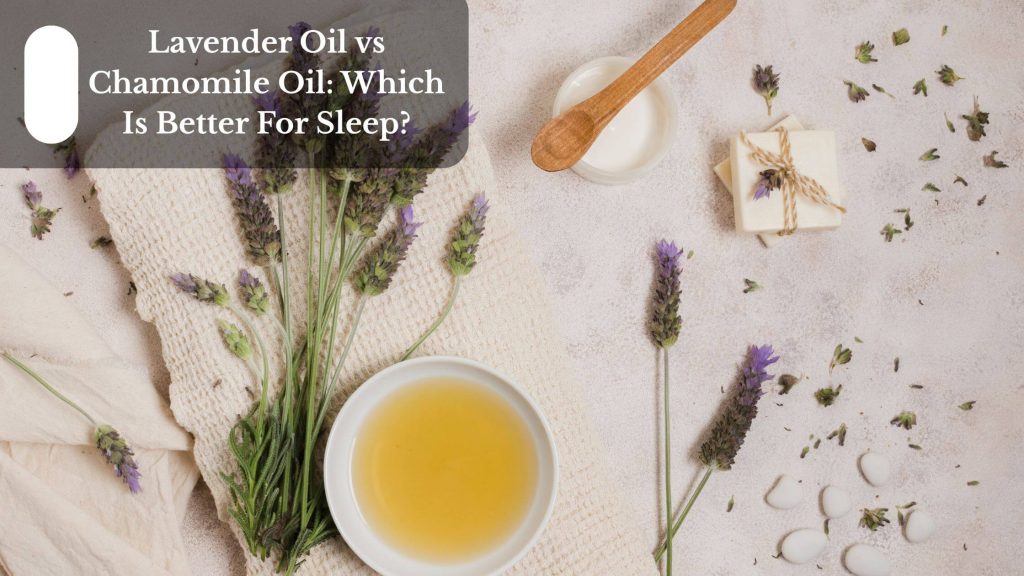
Introduction: The Search For Better Sleep Good beauty sleep comes with endless benefits. The search for better sleep often makes people try several remedies, including high-dosage medicines, too. While all this might work, it doesn’t guarantee you undisturbed sleep without side effects. With every remedy you try, there is a side effect to it. But do you know what’s even better, that does not link any adverse problem with it? It is the essential oil for good sleep. Yes, that’s true. If you are a Gen Z struggling to leave your phone or an elder who’s wondering when your sleep patterns are gonna fix, your search ends here. The two famous essential oils, lavender oil and chamomile oil for sleep, are known for their therapeutic benefits. But what sets them apart are their benefits and uses in the long run. In today’s blog, we will help you find the perfect sleep companion that unwinds your body and puts you to sleep in minutes. Why Essential Oils Help With Sleep? Before moving forward and understanding the differences between the two oils, let’s see what the hype is all about. Essential oils, in general, are known for their rich bioactive compounds that stimulate your nervous system and connect with various cells at once. So, when you inhale the essential oils, the aromatic compounds instantly reach the olfactory system that regulates your stress level, emotions, memories, and sleep. The best essential oils for sleep are known to – As per research in 2021 by Frontiers in Psychiatry, the results have shown significant improvement in sleep quality by 28% within a span of 14 days. What Is Lavender Oil? Lavender essential oil is a holy grail essential oil for many people out there. It is extremely important to extract from the buds of lavender trees that are mainly found in the Mediterranean region. The essential oil has been used for centuries in the medicinal industry, as it has a powerful chemical composition. The main compounds include – All of these compounds are rich in anti-inflammatory and relaxation properties that reduce stress and promote stillness. The highest quality lavender essential oil is a gold standard oil that procures its chemical and aromatic profile. It does not have any adulterants, synthetic chemicals, or added fragrance. What Is Chamomile Oil? Chamomile essential oil is derived through the steam distillation method from the flowers of German chamomile or Roman chamomile. The oil is usually extracted from one of these flowers, which affects its concentration level and chemical composition to some extent. The major compounds present in chamomile essential oil that help with sleeping are – All of these compounds have dominant properties that significantly reduce stress levels. It further enhances relaxation and diffuses sleep-associated problems. You may also like: Benefits Of Lavender Oil For Sleep As mentioned above, lavender essential oil is a staple for many people and a powerhouse of active compounds. Let’s explore the benefits of lavender oil for sleep. A. Improves Sleep Duration And Quality If you sleep only 4-5 hours a day, then we highly recommend you try lavender oil for sleep duration. The powerful oil not only enhances your sleep quality but also improves the REM stage of the sleep cycle. This is indicated in a report study published in 2020. B. Keeps Stress And Anxiety At Bay It’s time to bid farewell to anxiety or stress issues that are capturing your overactive mind. Lavender oil for stress and anxiety is a powerful remedy that calms you before bedtime. A steady trial by Phytotherapy Research in 2015 revealed shocking results about the effectiveness of lavender oil for people with anxiety and stress. C. Lowers Sleep Disturbances If your nightmares are at their peak and sleep disturbances often take up your time, you must include lavender Oil in your bedtime routine. Diffuse it before bed or directly inhale to seize its benefits. D. Balances Heart Rate And Blood Pressure People who suffer from high blood pressure and heart rate disturbances must use lavender essential oil for deep relaxation and good sleep quality. E. Reduces Sore Muscles And Tension Tight muscles and soreness can often disrupt your sleep like no other. Thankfully, a lavender bath soak ritual before bedtime reduces muscle soreness and puts you to sleep in no time. Benefits Of Chamomile Oil For Sleep Lavender essential oil is one of its kind when it comes to mental well-being. But here’s how chamomile essential oil brings its set of benefits for good sleep. A. Improves Natural Sleep Without Disturbances Getting that natural dose of sleep without disturbances is difficult to approach these days. Thankfully, not anymore. Chamomile essential oil improves the sleeping pattern and promotes gentle sleep without grogginess. B. Tackles Gut And Digestive Issues If you deal with digestive problems or gut issues like acidity or gas, your sleep schedule might not be at its best. But, guess what, chamomile essential oil calms your digestive tract with Bisabolol as its primary compound. It naturally fixes your gut issues and reduces discomfort during sleep. C. Eliminates Body Soreness And Inflammation A sore and stiff body makes it hard to sleep, especially if it is due to a workout or physical pain. Chamomile essential oil naturally targets the inflammation in the body and reduces stiffness and soreness. D. Reduces Restlessness Chamomile oil for good sleep manages a restless body that is hyperactive. It calms the mind and reduces nervous system problems. E. Gently Heals Your Health Chamomile oil works wonders for people who are sensitive to fragrances or oils in general. It naturally heals your body. An improves your overall physical and mental health. Lavender Oil vs Chamomile Oil: Key Differences The benefits of lavender oil and chamomile oil are quite clear as of now. But let’s cut them even further to pinpoint the key differences between them. 1. Primary Benefit 2. Aromatic Profile 3. Best For 4. Potency Level 5. Time For Results Which One Is Better For Your Sleep Needs? While comparing
Can Essential Oils Replace Medicine?

What Are Essential Oils? Essential oils are refined plant extracts that contain the natural aroma and therapeutic effects of plants. They are obtained through the use of steam distillation or cold pressing, and are typically highly aromatic. All essential oils possess distinct compounds that present them with certain benefits, like lavender in relaxation, peppermint in energy, and eucalyptus in respiration support. These oils are mostly applied in aromatherapy, where they are basically inhaled or applied topically to these parts to enhance physical and emotional health. Cosmetics, cleaning products,s as well as massage oils are also sources of essential oils. Although they are regarded as natural, they are powerful substances that should be used with caution, usually mixed with a carrier oil to prevent skin irritation. How Do Essential Oils Work In The Body? Essential oils in the body operate by inhaling and acting as a topical agent, and they affect the brain and physiological systems. Once inhaled, the aromatic molecules can reach the nose and act on the olfactory system, which relays information to the limbic system, which controls emotion, memory, and mood. You may also like: This is what makes some scents able to make people relaxed, focused, or less stressed. When used on the skin, essential oils enter the skin’s uppermost layers and can get into the bloodstream. Their chemical constituents can have a localized or systemic effect, like decreasing inflammation or tensing down muscles. Such oils normally possess natural sources, such as terpenes and esters, which make the oils have therapeutic qualities. Proven Benefits Of Essential Oils 1. Relaxation Ability Essential oils are known to be very effective in calming down stress and relaxing. Lavender oils and chamomile have a calming effect that can reduce a person’s anxiety and enhance their mood. Their aromatic compounds stimulate the limbic system of the brain when inhaled, and this promotes emotional balance. Research indicates that the hormone associated with stress, cortisol, can be reduced in stress using aromatherapy. It can also improve the general condition due to frequent use, so essential oils will be a natural choice to deal with everyday stress or maintain the right state of mind without using only pharmaceutical therapies and treatment methods. 2. Enhances Sleep Quality The other proven advantage of essential oils is that they can enhance sleep quality. Frequently used oils include lavender and sandalwood to stimulate more restful sleep. Their calming scents aid in slowing down the nervous system,m and thus it becomes easier to fall asleep and have prolonged sleep hours. It has been shown that aromatherapy has a positive effect on sleep, and in particular, on patients with insomnia or abnormal sleep rhythms. Diffusion or topical application of essential oils before going to sleep can provide a relaxing atmosphere that helps one get a soothing rest. 3. Antibacterial Effect Essential oils also have antimicrobial and antibacterial effects. Some of these oils, such as tea tree, eucalyptus, and lemon, have been proven to prevent the growth of some bacteria, fungi, and viruses. This causes them to be used in natural cleaning products and to boost the immune system’s health. Essential oils, when used properly,y can help to sanitize surfaces, clean the air, and even help with some skin care issues. They do not replace medical treatment, but their antimicrobial action provides an additional security measure in terms of maintaining hygiene and minimizing contact with dangerous microorganisms. 4. Alleviates Pain The other important effect that is related to the essential oils is pain relief. Peppermint, eucalyptus, and rosemary oils are commonly used to treat headaches, aches in the muscles, and sore joints. They are also anti-inflammatory and analgesic and are able to decrease the swelling and enhance the circulation in the problem areas. They can be used topically as a means of localized relief and can be used to ensure a quicker recovery process. Certain research proves their effectiveness in the treatment of mild to moderate pain, and as a result, they have become a complementary kind of treatment to the traditional one in terms of physical pain and tension. 5. Mental Simulation Essential oils may boost mental sharpness and cognitive abilities. Peppermint and rosemary are some of the oils that are known to make the mind alert, focused, and energized. Their alert perfumes aid the circulation of oxygen to the brain, which can aid in enhancing memory and attention. Aromatherapy with these oils has been associated with better performance on tasks where one needs attention and accuracy. The use of essential oils in everyday life, during work or studies in particular, can help one to stay sharp mentally in order to avoid tiredness. 6. Skin Skin care is also another application of essential oils that has been proven to be of benefit. Tea tree, lavender, and frankincense oils are usually taken to maintain healthy skin by decreasing the instances of acne, inflammation, and aging. Their natural compounds aid in skin cleansing, healing, and overall enhancing their complexion. Essential oils can help reduce oil production and prevent irritation when diluted and used correctly. Can Essential Oils Replace Medicine? The Honest Answer Essential oils have a plethora of advantages and must not be considered a direct substitute for medicine. Essential oils are not intended to cure or treat serious medical cases, although they can be used to complement the traditional treatment to facilitate relaxation, sleep improvement, stress reduction, or help in minor skin issues. As an example, a headache may be relieved with the help of such essential oils as peppermint, but it does not help to solve the causes of chronic headaches or the causes of neurological disorders. Correspondingly, the essential oils could facilitate immune functionality, but not in place of prescription drugs or vaccinations. When applying essential oils, you need to be cautious and contact a medical specialist, particularly when you have a past medical condition, are pregnant, or are on other medications. Although they may prove to be a valuable addition to holistic health, essential oils cannot be viewed
Top 11 Essential Oils For Oral Health
Introduction: Can Essential Oils Improve Oral Health? At some point in time, we all have been there when our tooth pain goes to heights. Gum diseases, tooth pain, and oral health are majorly compromised. In those critical conditions, one can only think about an effective remedy that works just like magic and cures the condition. Are you wondering what that remedy works effectively and does not lead to side effects as such? Well, it is none other than the essential oils for oral health. Essential oils for healthy gums and teeth are like a traditional treatment that includes constant flossing and swallowing the oil in a diluted manner to treat the condition from its roots. Additionally, these essential oils can bring in an array of benefits for your oral health. How Essential Oils Support Teeth And Gums? Good oral hygiene is the need of the hour, and maintaining it for years can be a task. Thankfully, essential oils are maintaining their popularity for the nth time, and this time for oral health. They are widely recognized because of their therapeutic healing and soothing properties. You may also like: The essential oils have been raved about in recent years as their use in the dentistry industry has reached no bounds. So, without any further delay, let us quickly check out the benefits of essential oils for oral health along with their usage. How To Use Essential Oils Safely For Oral Care? We know you might be wondering about the usage of essential oils for oral health. Well, as experts, we always recommend diluting essential oils while using them for healthcare conditions. But when it comes to dental care, it is important to check if you can grasp the potency of essential oils or not. Since they are very strong, not everyone can use them even in the diluted format. Top 11 Essential Oils For Oral Health 1. Peppermint Essential Oil We have mentioned quite a lot of times that peppermint Essential oil is loaded with cooling and healing properties that immensely help to tackle various oral health conditions. As per studies, peppermint Essential oil is very popular and is widely used in the making of oral care products, including mouthwash, toothpaste, and mouth fresheners. Additionally, the Essential oil possesses strong anti-inflammatory, antibacterial, anti-fungal, and biofilm-restricting properties. The latter property is meant to nurture the ability to inhibit the production of biofilm in the oral cavity. 2. Clove Essential Oil How can we not talk about the holy grail for almost every oral health problem, which is clove Essential oil? Clove oil is primarily extracted from the tiny buds of the clove tree. It is mainly used to treat toothache, gum diseases, and cavities in the mouth. Native to the countries of Southeast Asia, the essential oil is prevalent all across the world and is used in dentistry and for maintaining oral health. As per studies, clove Essential oil is rich in vital minerals that include phosphorus, sodium, potassium, hydrochloric acid, and calcium. All these rich minerals are known to nurture your tooth conditions and visibly improve your oral health. 3. Tea Tree Essential Oil The very famous Essential oil that helps to treat a variety of skin conditions is also a must-have to maintain good oral health. Tea tree Essential oil is the one we are talking about. Tea tree oil comes from the plant tea tree and is mainly included in mouthwash, toothpaste, and mouth fresheners. It also cures oral diseases and helps in faster recovery. As per major studies, tea tree Essential oil adds a burst of freshness and flavor to the mouth while effectively battling bad breath. If you are suffering from yellow teeth, plaque, gingivitis, tooth decay, or other oral infections, then tea tree Essential oil might be your rescuer. 4. Lavender Essential Oil Lavender Essential oil is extracted using a steam distillation method and procures the very potent essence of the plant. Lavender Essential oil is rich in active compounds, including Sesquiterpenes and terpenes. Both of them are rich in properties to enhance your oral health over time. However, it is important to know that lavender Essential oil is very strong and is mainly used in aromatherapy practices for relaxation purposes. One should always use it mindfully after proper dilution. The Essential oil is rich in anti-inflammatory, antibacterial, and antimicrobial properties, which reduce inflammation in the gums and tackle tooth pain. 5. Cinnamon Oil How about using the rich cinnamon Essential oil, which serves as a one-stop remedy to cure oral diseases? As per research, cinnamon Essential oil serves as an ideal cleanser for your oral Health Care. Not only this, but cinnamon Essential oil is rich in antifungal, antiseptic, anti-inflammatory, and antibacterial properties, which majorly protect against throat infections, tackle the condition of tooth decay, and also reduce tooth pain. 6. Winter Mint Oil A new addition to the list of best essential oils for oral health and remedy guide is Wintermint essential oil. The Essential oil comes from the leaves of Gaultheria procumbens. It is extracted using the steam distillation method, and the essence is popular for treating tooth pain, unhealthy gums, and bacterial infection in the mouth. Additionally, essential oils possess strong active compounds that include methyl salicylate. It effectively reduces the pain in teeth, tackles oral health conditions, and also controls gingivitis and plaque. 7. Eucalyptus Essential Oil Eucalyptus essential oil is one of the top essential oils for oral health. It reduces bad breath and improves gum health to a great extent. Not only this, but eucalyptus essential oil also offers healing and therapeutic benefits that majorly treat conditions like halitosis, periodontitis, and gingivitis. Widely known for its cooling, numbing, and soothing qualities, the essential oil effectively treats tooth pain, cavities, soreness in gums, and other oral health conditions. 8. Lemon Oil Lemon oil might look like a minimal essential oil at first, but its benefits are incredible. The essential oil serves as an organic disinfectant for the teeth and